
As I stirred the pot, the aroma of my Classic Beef Stew enveloped my kitchen, instantly transporting me to cozy evenings spent with loved ones. This hearty dish, filled with tender chunks of beef and vibrant vegetables, is the quintessential comfort food that effortlessly transforms a chilly night into a warm gathering around the table. What I love most about this beef stew recipe is its incredible versatility; you can easily customize the ingredients to cater to your family's tastes, making it your own version of a timeless classic. Plus, after simmering for an hour, the rich flavors meld beautifully, providing a satisfying meal that doubles as leftovers for the next day. Are you ready to embrace the warmth and flavor this beef stew can bring to your dinner routine? Let’s dive into the delicious details!
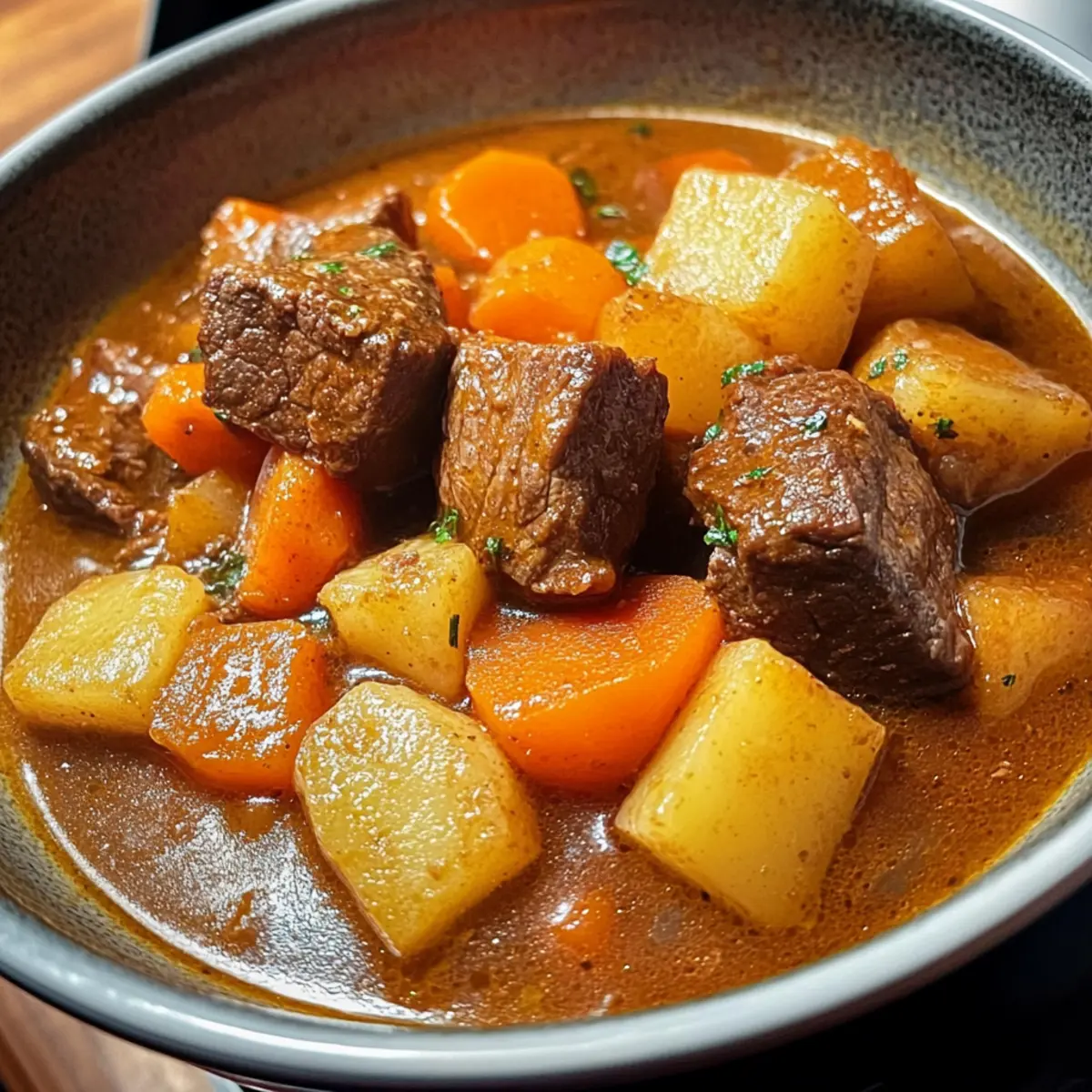
Why is this Beef Stew a Must-Try?
Comforting Warmth: This Classic Beef Stew wraps you in a cozy hug, perfect for those chilly nights.
Endless Customization: Easily alter ingredients like vegetables or spices to create your unique twist, making it truly yours.
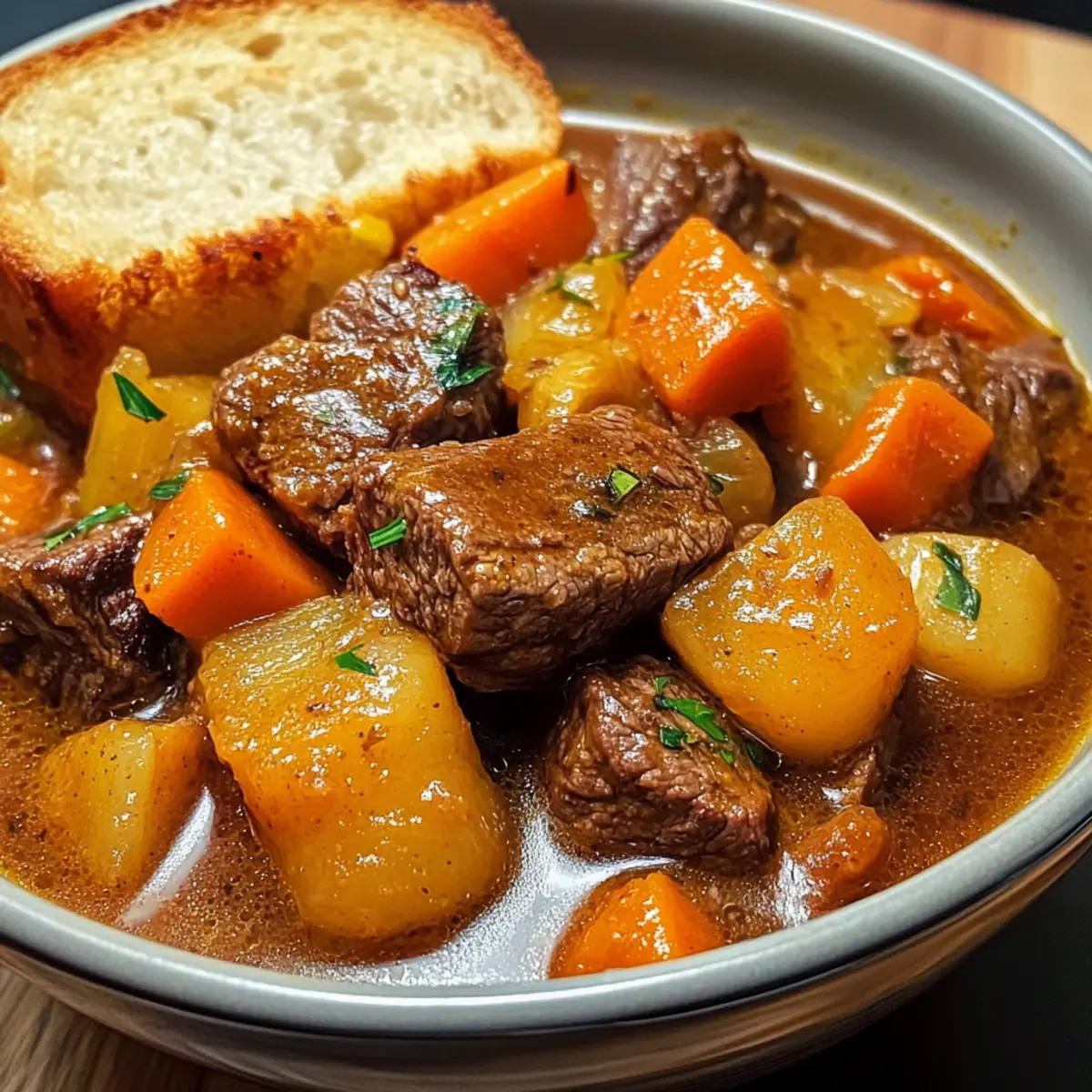
Satisfying Leftovers: With flavors that deepen overnight, enjoy delicious leftovers that taste even better the next day. Consider serving it alongside a slice of crusty bread for the ultimate comfort meal!
Time-Saving Simplicity: Just a short hour of simmering leads to a hearty, flavorful meal without hours of prep. Check out our recipe ideas like Cheesy Beef Potato Soup for more cozy options!
Beef Stew Recipe Ingredients
For the Stew
• Chuck Roast – A rich, hearty protein that tenderizes beautifully; feel free to substitute with brisket or round beef.
• Yellow Onion – Adds depth and sweetness; shallots are a great milder alternative.
• Celery Stalks – Offers a fragrant aroma and crunch; leeks can work as a lovely substitute.
• Carrots – Brighten the dish with color and sweetness; consider using parsnips for a different flavor.
• Russet Potatoes – Provides substance and creaminess; Yukon Gold potatoes offer a buttery texture.
• Minced Garlic – Boosts overall flavor; garlic powder is a handy substitute if you don’t have fresh.
• Olive Oil – Ideal for sautéing to bring in healthy fats; vegetable oil can be an alternative.
• Worcestershire Sauce – Introduces umami richness; substitute with soy sauce if necessary.
• Beef Broth – The flavorful base; opt for homemade broth for a more robust taste or vegetable broth for a lighter dish.
• Tomato Paste – Adds richness and color; canned tomatoes can also do the trick in a pinch.
• Onion Powder – Enhances onion flavor; can be adjusted or omitted based on preference.
• Garlic Powder – A convenient flavor booster; use fresh garlic if you prefer that vibrant taste.
• Beef Bouillon Powder – Intensifies beef flavors; stock cubes work just as well if the powder is on hand.
• Salt and Pepper – Essential for seasoning; remember to adjust to your tastes.
• All-Purpose Flour – Acts as a thickening agent; gluten-free flour is an excellent alternative for sensitive diners.
• Cornstarch – Another option for thickening; you can use either cornstarch or flour based on your preference.
• Cold Water – Activates cornstarch for thickening the stew perfectly.
Get ready to warm your kitchen with the rich and comforting aromas of this Beef Stew Recipe!
Step‑by‑Step Instructions for Classic Beef Stew Recipe
Step 1: Prepare Ingredients
Start by dicing the chuck roast into uniform, bite-sized pieces to ensure even cooking. Chop the yellow onion, celery stalks, carrots, and russet potatoes into manageable pieces. Have all your minced garlic, Worcestershire sauce, tomato paste, beef broth, and seasonings ready for easy access. This prep will make the cooking process smoother and more enjoyable.
Step 2: Sauté Vegetables
In a large pot, heat a couple of tablespoons of olive oil over medium heat. Once the oil is shimmering, add the chopped onions, garlic, celery, and carrots. Stir frequently for about 5 minutes, until the vegetables are softened and fragrant, creating a comforting aroma that sets the stage for your Classic Beef Stew.
Step 3: Brown the Beef
Add the diced chuck roast to the pot, spreading the pieces out to ensure they don’t crowd each other. Cook for approximately 5-7 minutes, turning occasionally, until the beef is browned on all sides. This step adds depth of flavor, key to a rich beef stew, so take your time and enjoy the sizzle.
Step 4: Add Liquid
Stir in the Worcestershire sauce and tomato paste, coating the beef and vegetables evenly. Pour in the beef broth and add your onion powder, garlic powder, and beef bouillon powder. Bring the mixture to a gentle boil while stirring, then watch as the delightful blend of flavors begins to form into a hearty base for your stew.
Step 5: Simmer Stew
Reduce the heat to low, cover your pot, and let the stew simmer for about 60 minutes. This slow cooking allows the beef to become tender and absorb all the delicious flavors. Keep an eye on it, stirring occasionally, and enjoy the cozy scent wafting through your kitchen—a true hallmark of a good Classic Beef Stew.
Step 6: Thicken Stew
In a small bowl, combine all-purpose flour with cold water (or cornstarch if using). After 60 minutes of simmering, whisk the mixture into the pot, stirring continuously. Allow the stew to cook for an additional 5-10 minutes, until it thickens to your desired consistency, ensuring a perfect coating for each hearty bite.
Step 7: Final Seasoning
Taste your delicious Classic Beef Stew and adjust the salt and pepper as needed to enhance the flavors. This is your opportunity to customize the seasoning to your preferences, ensuring every bowl is rich and savory. A final taste test can make this comforting dish even cozier.
Step 8: Serve
Ladle the steaming beef stew into bowls, optionally garnishing with fresh herbs for a pop of color. Serve hot with crusty bread, rice, or a fresh salad for a wholesome meal. Gather around the table and enjoy the delightful warmth that this beef stew brings, perfect for sharing with family and friends.
Make Ahead Options
These Classic Beef Stew components are perfect for meal prep, saving you valuable time on busy weeknights! You can dice the beef and vegetables and store them separately in the refrigerator for up to 24 hours, ensuring they stay fresh and ready to go. Additionally, you can prepare the stew itself and refrigerate it for up to 3 days; just let it cool completely before transferring it to an airtight container. To reheat, gently warm it on the stovetop, adding a splash of broth if needed to restore creaminess. With these make-ahead tips, you’ll enjoy all the comforting flavors of your beef stew with minimal effort when it’s time to serve!
Beef Stew Recipe Variations
Feel free to get creative and tailor this beef stew recipe to your taste buds!
-
Vegetable Boost: Add in parsnips, peas, or mushrooms for more color and texture. Immersing different vegetables will create delightful flavors throughout the dish.
-
Herb Infusion: Experiment with fresh herbs like thyme, rosemary, or bay leaves to elevate the aromatic profile. These simple additions turn your stew into a fragrant masterpiece!
-
Red Wine Twist: For deep complexity, splash in some red wine or beer during simmering. This nuanced layer adds warmth while complementing the beef's richness beautifully.
-
Spicy Kick: Add crushed red pepper flakes or diced jalapeños for a spicy flair. Adjust according to your heat preference, turning comfort food into a bold culinary adventure.
-
Coconut Curry: Swap beef broth with coconut milk and add curry powder for an exotic twist. This creamy variation will take your stew to a whole new flavor level.
-
Dairy-Free Option: Use gluten-free flour and vegetable broth to cater to dietary needs. You can enjoy the wonderful essence of beef stew without any guilt.
-
Thickening Alternatives: Instead of all-purpose flour, try arrowroot powder or potato starch to achieve the ideal thickness. Each option lends a unique texture to the stew.
-
Impromptu Stew: Leftover roasted vegetables or meats can be thrown in without missing a beat. Mixed leftovers create a joyous surprise meal bursting with unexpected flavors!
As you navigate through these variations, explore similar dishes like Onion Beef Fried Rice for tantalizing meal inspiration!
Storage Tips for Beef Stew Recipe
Refrigerator: Store leftover beef stew in an airtight container for up to 3 days. The flavors will deepen, making for an even tastier meal upon reheating.
Freezer: For longer storage, freeze the beef stew in a freezer-safe container for up to 3 months. Once ready to enjoy, let it thaw in the refrigerator overnight before reheating.
Reheating: Gently reheat on the stovetop over medium-low heat, stirring occasionally. If the stew thickens too much, add a splash of beef broth or water to reach your desired consistency.
Airtight Storage: Always ensure your storage containers are sealed tightly to keep the beef stew fresh and flavorful, maximizing your culinary delight!
Expert Tips for Classic Beef Stew
- Perfect Browning: Ensure you properly brown the beef. This step adds depth of flavor, creating a rich and savory foundation for your beef stew.
- Avoid Overcrowding: If necessary, sauté the beef in batches to avoid steaming. Proper caramelization is key for that mouthwatering stew.
- Simmer Low and Slow: Allow your beef stew to simmer long enough (at least 60 minutes) so the meat becomes tender and absorbs all the warm flavors.
- Taste Often: Always taste your stew as it simmers! Adjust salt and pepper as the liquid reduces to ensure a perfectly seasoned beef stew.
- Customize Ingredients: Feel free to add your favorite vegetables or herbs. This flexibility allows you to create a unique version of the classic beef stew recipe.
What to Serve with Classic Beef Stew
Cozy up your dinner table with delightful sides that complement the heartiness of this beef stew.
-
Crusty Bread: Perfect for soaking up the rich broth, a warm loaf adds texture and flavor, enhancing the experience of each savory bite.
-
Garlic Mashed Potatoes: Creamy and buttery, these fluffy potatoes pair wonderfully with the stew, providing a luxurious side that your family will adore.
-
Steamed Green Beans: Bright and crunchy, green beans add a fresh contrast to the hearty stew, balancing flavors and providing a pop of color on your plate.
-
Roasted Brussels Sprouts: The slight bitterness of roasted Brussels sprouts complements the savory stew beautifully, while their crispy edges bring an exciting texture to the meal.
-
Fresh Garden Salad: A simple salad of mixed greens, tomatoes, and a tangy vinaigrette brightens the palate, making it a refreshing accompaniment to the rich comfort of beef stew.
-
Red Wine: Elevate your dinner with a glass of red wine, which enriches the flavors of the beef stew and enhances the overall dining experience.
-
Apple Pie: For dessert, a slice of warm apple pie provides a sweet ending that pairs well with the savory depth of the stew, creating a balanced meal that lingers in the heart and memory.
Classic Beef Stew Recipe FAQs
How do I select the best cut of beef for stew?
Absolutely! When choosing beef for your stew, chuck roast is ideal due to its marbling, which keeps the meat tender during slow cooking. If unavailable, brisket or round beef can also work well. Look for cuts with good fat content and vibrant red color, avoiding any that have dark spots or discoloration.
What is the best way to store leftover beef stew?
Very! To store your leftover beef stew, place it in an airtight container in the refrigerator, where it will keep fresh for up to 3 days. Make sure it’s cooled down before sealing to maintain its quality. For longer storage, freeze the stew in a freezer-safe container for up to 3 months—just remember to label the container with the date!
Can I freeze beef stew? How should I do that?
Absolutely! Freezing beef stew is a great way to preserve it. To do this, allow your stew to cool completely, then ladle it into freezer-safe containers or zip-top bags, leaving some space at the top for expansion. Seal tightly and label with the date. When you're ready to eat, thaw it in the refrigerator overnight and reheat gently on the stovetop.
What should I do if my stew turned out too salty?
If your stew is too salty, don’t worry—there are a few remedies! First, you can add more liquid, like water or unsalted beef broth, to dilute the saltiness. Alternatively, add diced potatoes or rice; they can absorb some of the salt while cooking. Let the stew simmer a bit longer after adding these ingredients to blend the flavors.
Is this beef stew recipe suitable for my dog? Are there any ingredients I should avoid?
Very! While many ingredients in beef stew are safe for dogs in moderation (like carrots and potatoes), it’s essential to keep out items like onions, garlic, and many spices. If you want to share a bit with your furry friend, make a separate, dog-friendly version that omits these harmful ingredients and consult your vet about portion sizes!
How can I customize my beef stew for dietary needs?
Absolutely! To cater to dietary preferences, consider these substitutions: use gluten-free flour or cornstarch for thickening; swap beef broth for vegetable broth for a lighter version; and add an array of vegetables like bell peppers, peas, or mushrooms for added flavor and nutrition. Moreover, check for any allergies to specific ingredients and adjust accordingly!
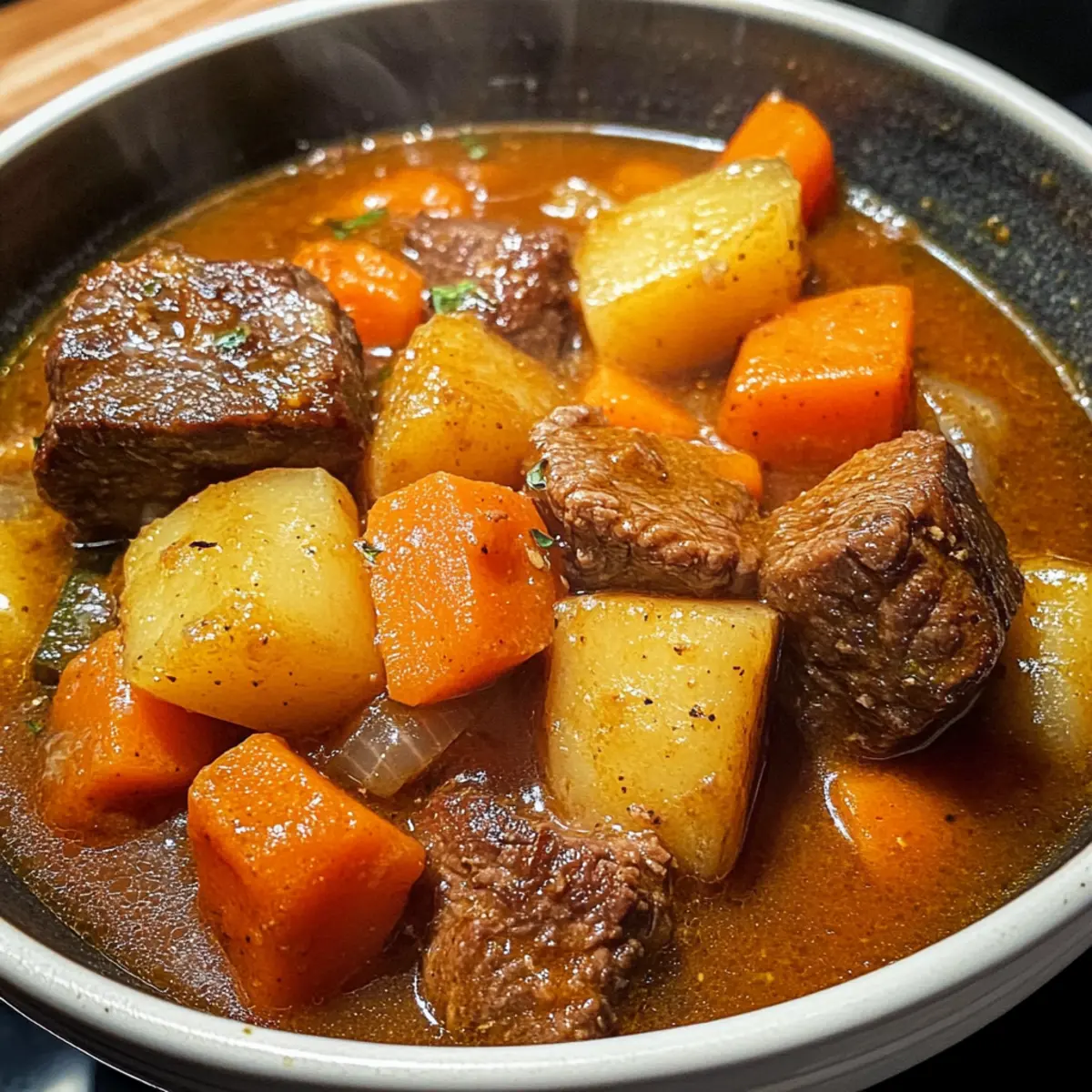
Hearty Beef Stew Recipe for Cozy Comfort Food Nights
Ingredients
Equipment
Method
- Prepare Ingredients: Dice the chuck roast, chop the onion, celery, carrots, and potatoes. Have garlic, Worcestershire sauce, tomato paste, and seasonings ready.
- Sauté Vegetables: Heat olive oil in a pot and sauté onions, garlic, celery, and carrots for about 5 minutes.
- Brown the Beef: Add the diced chuck roast and cook for 5-7 minutes until browned on all sides.
- Add Liquid: Stir in Worcestershire sauce and tomato paste, then add beef broth, onion powder, garlic powder, and beef bouillon powder.
- Simmer Stew: Reduce heat to low, cover, and let simmer for about 60 minutes.
- Thicken Stew: Blend flour with cold water; whisk into the pot, and cook for an additional 5-10 minutes.
- Final Seasoning: Taste and adjust salt and pepper as needed.
- Serve: Ladle into bowls and serve hot with crusty bread, rice, or salad.




Leave a Reply