
There’s a certain magic in the air when spring arrives, particularly during the Easter season. The warmth of the sun draws us outdoors, but it also beckons us into the kitchen to whip up cherished traditions. One such delight is the classic Italian Ricotta Easter Bread, a lovingly braided loaf that is simply irresistible. With its tender crumb and a sweet glaze that dances on your palate, this recipe is a breeze to prepare—perfect for busy home chefs craving a touch of homemade charm. Plus, it fills your space with a heavenly aroma that will have everyone asking, "What's cooking?" Whether you're hosting a festive brunch or simply looking to savor the flavors of spring, this Ricotta Bread is your go-to dish. Ready to dive into baking this delightful treat together?
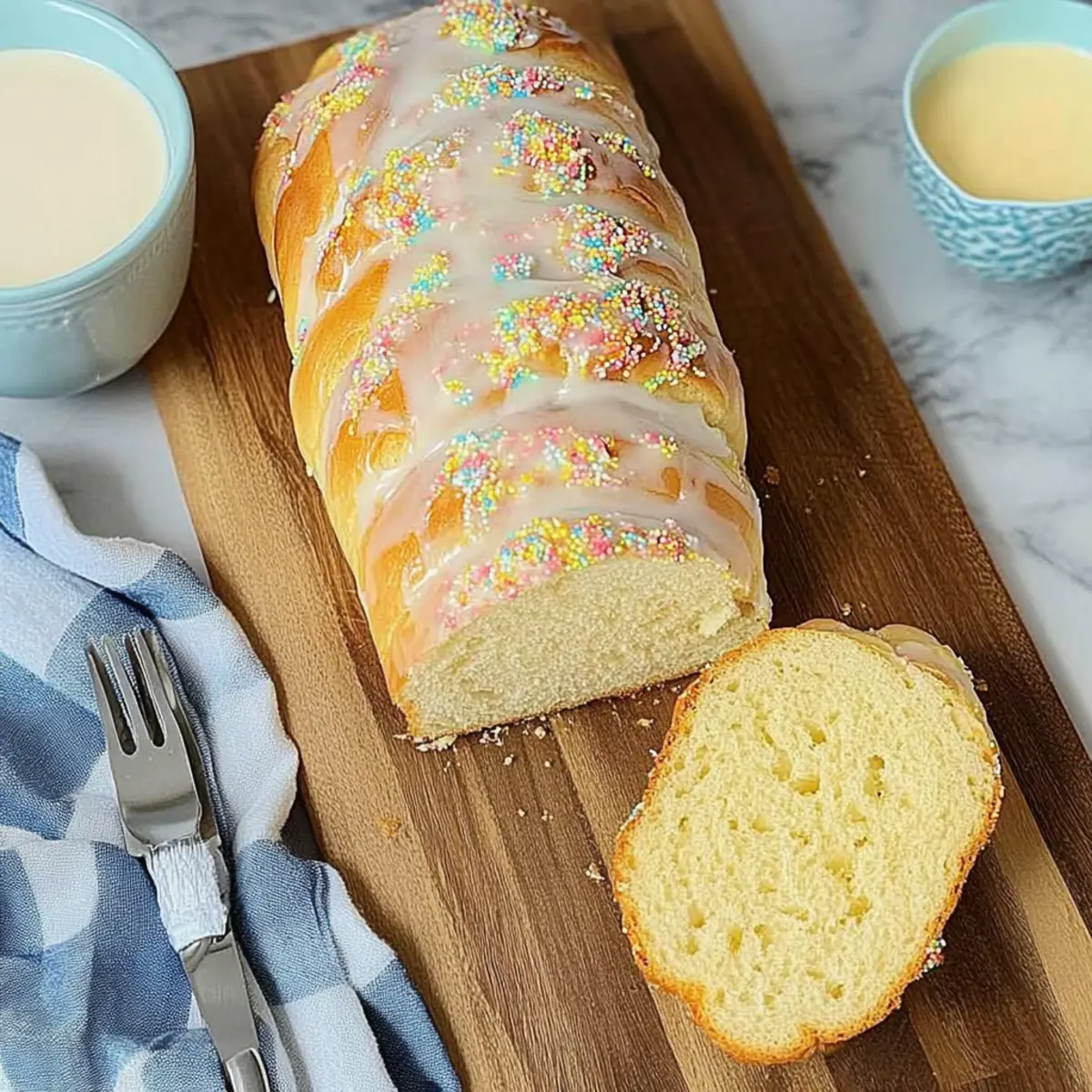
Why is Ricotta Bread a Spring Favorite?
Irresistible Flavor: This bread is elevated by the creamy ricotta, which adds a subtly sweet flavor that’s simply delightful.
Festive Aroma: As it bakes, your home will be filled with a fragrant scent that makes it impossible not to smile.
Versatile Variations: With options like adding lemon extract or tossing in dried fruits, you can customize each loaf to fit your taste.
Effortlessly Delicious: Don’t worry if you're short on time; this recipe is simple, making it perfect for busy cooks looking for a special treat.
Perfect Pairing: Enjoy it as a standout centerpiece at your Easter brunch, alongside savory dishes, or just as a sweet snack!
For a complementary recipe, check out our Cinnamon Crunch Bread that will also bring joy to your table.
Ricotta Bread Ingredients
For the Dough
– Shortening – Adds richness and moisture to the bread; substitute with butter for a deeper flavor.
– Sugar – Sweetens the bread and helps create a tender texture.
– Eggs – Provide structure and moisture; use flax eggs for a vegan alternative.
– Egg Yolks – Enhance richness and color.
– Ricotta Cheese – Contributes moisture and a subtle flavor; can be substituted with cottage cheese for a lower-fat version.
– Almond Extract – Adds a distinct flavor; vanilla extract can be used as a substitute.
– All-purpose Flour – Main structure; whole wheat flour can be used for a denser texture.
– Baking Powder – Leavening agent to help the bread rise.
– Salt – Balances sweetness and enhances flavor.
– Milk – Adds hydration; can be replaced with a non-dairy milk alternative.
For the Glaze
– Confectioners’ Sugar – Creates a sweet finish that complements the Ricotta Bread.
– Milk – Adds creaminess for the glaze; non-dairy milk works too.
– Almond Extract – Enhances the glaze flavor; consider lemon extract for a zesty kick.
For Garnish
– Sliced Almonds – Adds a crunchy texture and visual appeal.
– Colorful Sprinkles – Perfect for adding a festive touch, especially for Easter celebrations.
Step‑by‑Step Instructions for Classic Italian Ricotta Easter Bread
Step 1: Preheat the Oven
Begin by preheating your oven to 350°F (175°C) so it’s hot and ready for baking your Ricotta Bread. This initial step is crucial for achieving that perfect golden-brown crust. While the oven warms, gather your mixing bowls and a whisk to have everything at your fingertips.
Step 2: Cream the Shortening and Sugar
In a large mixing bowl, cream together the shortening and sugar using an electric mixer on medium speed for about 5-7 minutes. Aim for a light, fluffy mixture that has increased in volume. This step is essential, as it adds air to your batter, contributing to the tender texture of the Ricotta Bread.
Step 3: Add Eggs and Ricotta
Now, add the eggs and egg yolks one at a time, mixing well after each addition to ensure they’re fully incorporated. Next, gently fold in the ricotta cheese along with the almond extract until the mixture is smooth and creamy. Keep an eye out for consistency, as this will be the base of your flavorful bread.
Step 4: Combine the Dry Ingredients
In a separate bowl, whisk together the all-purpose flour, baking powder, and salt until well blended. This step ensures that your leavening agent is evenly distributed, which is key for a well-risen Ricotta Bread. Once combined, you’ll be ready to mix them into the wet ingredients.
Step 5: Mix Wet and Dry Ingredients
Gradually add the dry mixture to the creamed butter mixture, alternating with the milk. Start with a third of the flour mixture, then pour in half the milk, mixing until just combined. Repeat this process until all ingredients are thoroughly mixed, creating a smooth dough that should be slightly sticky but manageable.
Step 6: Shape the Dough
Divide the dough into three equal portions and start rolling each piece into an 18-inch long rope on a lightly floured surface. Once rolled, braid these ropes together, pinching the ends to seal them securely. This beautiful braid will give the Ricotta Bread its classic look and texture, making it a delightful centerpiece.
Step 7: Bake the Bread
Place the braided dough on a lined baking sheet and bake in the preheated oven for 45-55 minutes, or until it turns a beautiful golden-brown. To check for doneness, insert a toothpick into the center; it should come out clean when the Ricotta Bread is perfectly baked.
Step 8: Cool and Glaze
Once baked, remove your Ricotta Bread from the oven and let it cool on a wire rack. While still warm, prepare the glaze by mixing confectioners’ sugar, milk, and almond extract until smooth. Drizzle it generously over the bread for a sweet finishing touch, and add sliced almonds or colorful sprinkles for that festive flair.
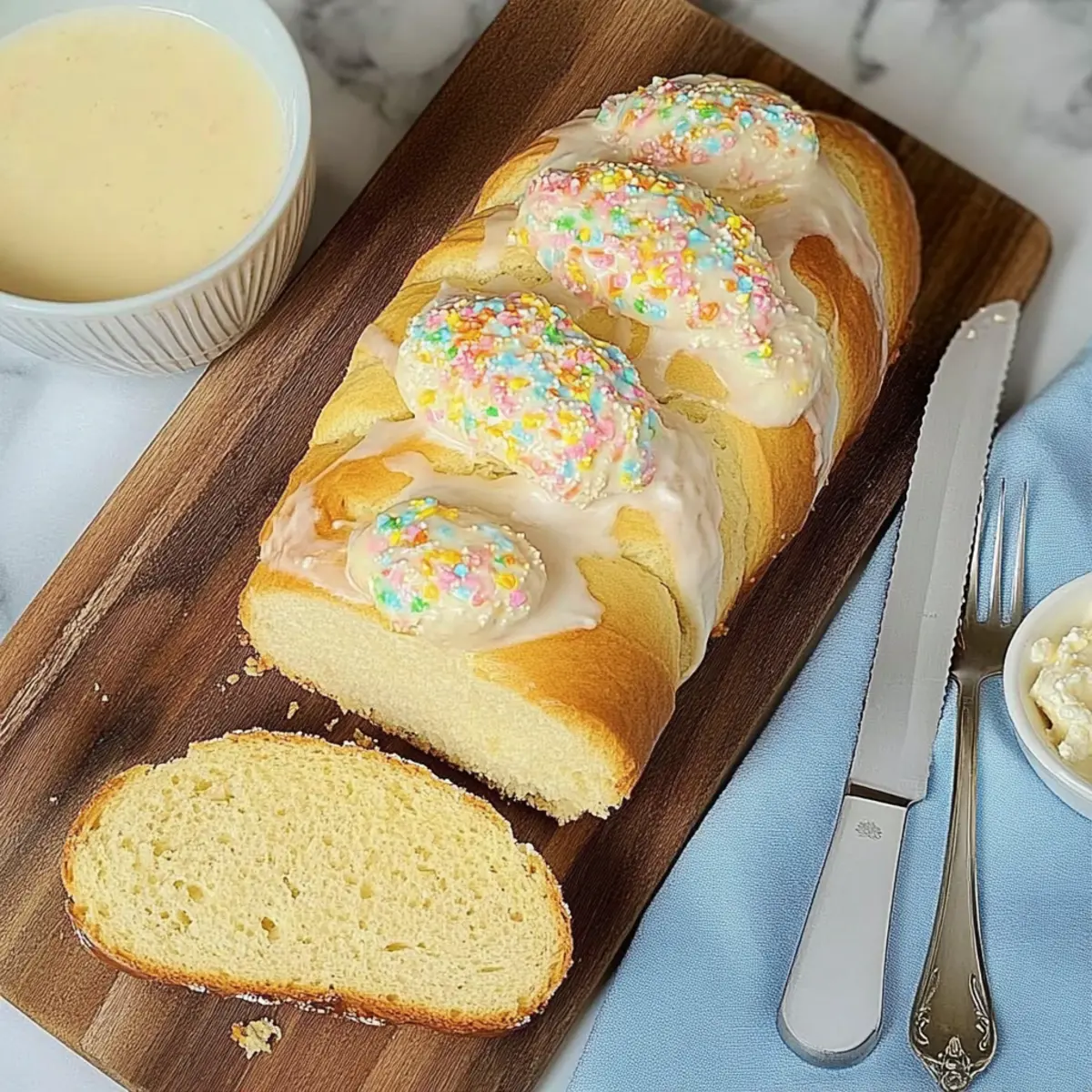
Make Ahead Options
These Classic Italian Ricotta Easter Bread loaves are perfect for busy home cooks looking to simplify their meal prep! You can prepare the dough up to 24 hours in advance by mixing all the ingredients and storing the dough in an airtight container in the refrigerator. Alternatively, shape and braid the loaves, then cover tightly and refrigerate overnight for easy baking the next day. When you're ready to bake, simply take the dough out, let it rest for about 30 minutes at room temperature, and follow the usual baking instructions. This way, you'll enjoy the same delicious, fluffy results with minimal effort, making your Easter celebrations a breeze!
How to Store and Freeze Ricotta Bread
Room Temperature: Store your Ricotta Bread in an airtight container at room temperature for up to 3 days to preserve its soft texture and delightful flavor.
Fridge: If you prefer, you can refrigerate the bread, but it may dry out slightly; consume within 5 days for the best taste.
Freezer: For longer storage, freeze the Ricotta Bread for up to 3 months. Wrap it tightly in plastic wrap and aluminum foil to protect against freezer burn.
Reheating: To enjoy again, thaw your Ricotta Bread overnight in the fridge, then warm it in the oven at 350°F for about 10-15 minutes to refresh its lovely texture.
What to Serve with Classic Italian Ricotta Easter Bread?
This sumptuous bread deserves to shine as part of a delightful spread, enhancing your spring celebrations with flavors that sing.
-
Fresh Seasonal Fruits: The sweetness of berries, oranges, or sliced apples adds a refreshing contrast to the rich bread, perfect for balancing flavors.
-
Creamy Cheese Spread: A smooth ricotta or mascarpone spread creates a heavenly pairing, enhancing the bread’s own ricotta flavor while adding a luscious creaminess.
-
Honey or Maple Syrup: Drizzling a touch of honey or pure maple syrup brings out the sweetness in the bread, creating an indulgent treat that feels like a warm hug.
-
Scrambled Eggs: Fluffy, seasoned scrambled eggs provide a satisfying savoriness that complements the sweet, tender texture of the Ricotta Bread, making it perfect for brunch.
-
Coffee or Herbal Tea: Sip on your favorite brew, as the warm, aromatic drink enhances the complex flavors of the bread and makes every bite a moment to savor.
-
Festive Pastries: Think light pastries like fruit tarts or danishes; their flaky texture and fruitiness ride alongside the bread, creating a beautiful harmony of tastes on your Easter table.
-
Colorful Salad: A bright, crunchy salad with spring greens, nuts, and citrus elevates the meal, introducing fresh elements that lighten the overall feast and keep it vibrant.
-
Sparkling Beverage: A refreshing glass of sparkling lemonade or prosecco adds effervescence and a celebratory touch, perfect for toasting spring moments and joyous gatherings.
Ricotta Bread Variations & Substitutions
Feel free to explore these delightful twists to customize your Ricotta Bread experience!
-
Lemon Extract: Swap almond extract for lemon extract for a fresh, citrusy zing. This variation brings a bright, cheerful flavor that pairs wonderfully with the sweetness.
-
Dried Fruits: Add raisins or dried cranberries to the dough for a burst of sweetness and chewiness. These fruits complement the bread's moist texture beautifully.
-
Nuts Galore: Toss in chopped pecans or walnuts for a satisfying crunch. The nuttiness enhances the overall flavor and adds an exciting texture to each slice.
-
Gluten-Free: Use a gluten-free flour blend instead of all-purpose flour for a gluten-free delight. Make sure to check that your baking powder is gluten-free as well.
-
Two Smaller Loaves: Split the dough into two parts to make two smaller loaves instead of one big loaf. This allows for more sharing and quick baking times!
-
Cinnamon Sugar Topping: Before baking, sprinkle a mixture of cinnamon and sugar on top for a sweet crust. This extra touch brings warmth and flavor reminiscent of a cozy kitchen.
-
Multigrain Twist: Incorporate whole wheat flour or a multigrain blend for added fiber and density. This version is nutritious yet bursting with flavor.
-
Sweet Potato Ricotta Bread: Add puréed sweet potato to the dough for a unique flavor twist and a striking orange hue that is perfect for the season. It's a subtle surprise that adds moisture.
For a delicious pairing or an alternative option, consider whipping up some Cinnamon Crunch Bread to enjoy with your festive meal!
Expert Tips for Perfect Ricotta Bread
• Check the Temperature: Ensure your bread reaches an internal temperature of 200°F to avoid underbaking.
• Use Parchment Paper: Roll your dough on parchment paper when braiding for easier handling and cleanup.
• Adjust Baking Time: If making smaller loaves, start checking for doneness at 35-40 minutes to achieve that golden-brown color.
• Don’t Rush the Mixing: Properly cream the shortening and sugar for 5-7 minutes until light and fluffy; this adds air for a tender crumb in the Ricotta Bread.
• Don’t Overmix: When combining wet and dry ingredients, mix until just combined to keep your bread light and airy.
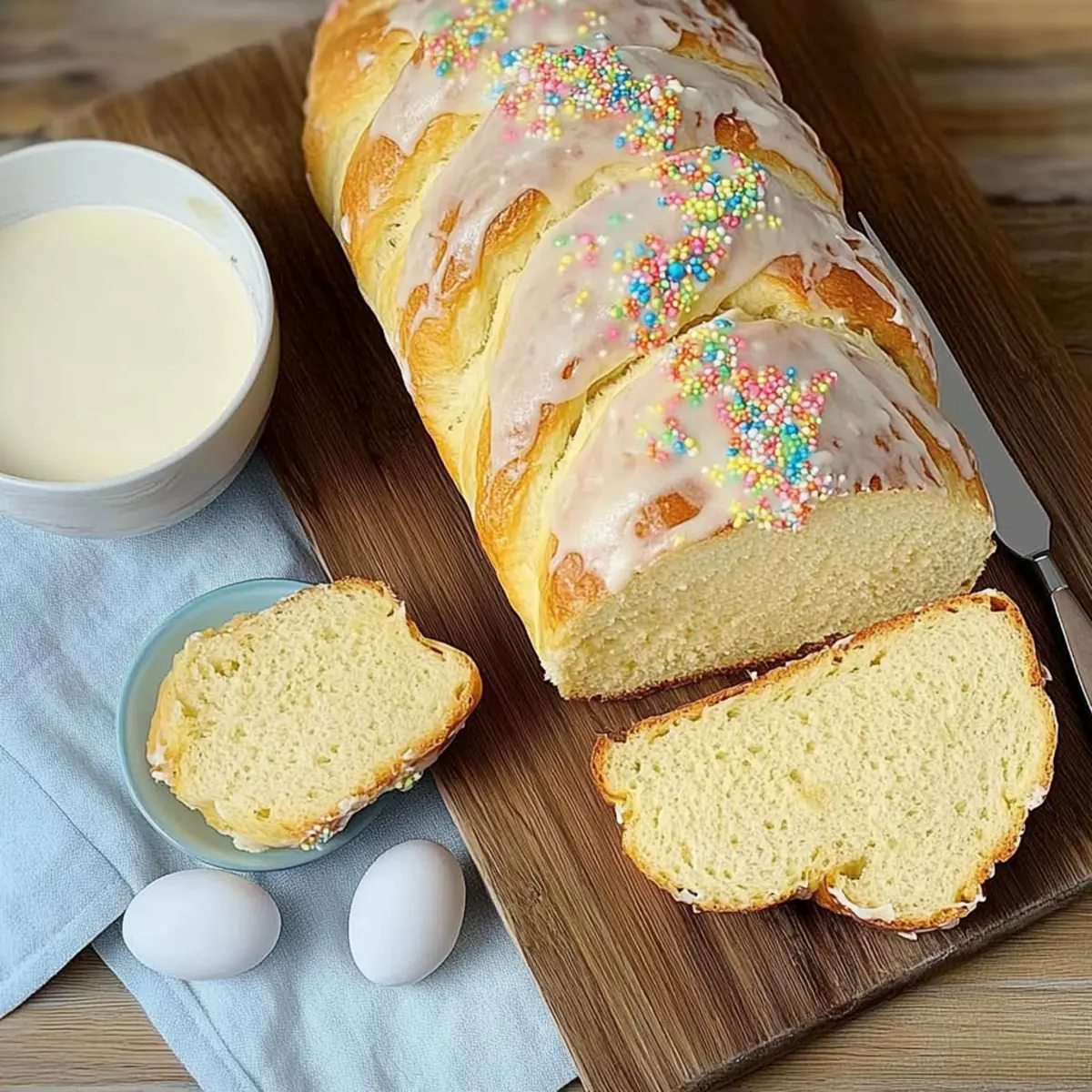
Ricotta Bread Recipe FAQs
What type of ricotta should I use for the Ricotta Bread?
Absolutely! Fresh ricotta is ideal for this recipe as it provides a creamy texture and a slight sweetness. Avoid using the low-fat versions, as they may make the bread dry. If you can’t find fresh ricotta, you can use cottage cheese as a substitute, but blend it first to achieve a smoother consistency.
How should I store leftover Ricotta Bread?
You can store your Ricotta Bread in an airtight container at room temperature for up to 3 days. If you find yourself with leftovers, wrapping it in plastic wrap will help maintain its softness. If refrigerating, consume within 5 days to avoid any staleness!
Can I freeze Ricotta Bread?
Very much so! To freeze your Ricotta Bread, let it cool completely first. Wrap it tightly in plastic wrap, followed by aluminum foil to prevent freezer burn. You can freeze it for up to 3 months. When ready to enjoy, simply thaw it overnight in the fridge and warm it in the oven for that freshly-baked taste!
What should I do if my Ricotta Bread doesn't rise?
If your Ricotta Bread doesn’t rise, first check if your baking powder is fresh. An expired leavening agent can cause flat bread. Additionally, make sure your creaming process was thorough; the mixture should be light and fluffy before adding dry ingredients. This incorporates air, which is crucial for a good rise!
Is this Ricotta Bread suitable for people with allergies?
The recipe contains eggs and dairy, which are common allergens. However, you can easily modify the recipe: use flax eggs to replace eggs, and substitute ricotta with a dairy-free alternative like almond or cashew cheese if you need a vegan or lactose-free option. Always double-check ingredients to accommodate the specific dietary needs of your guests.
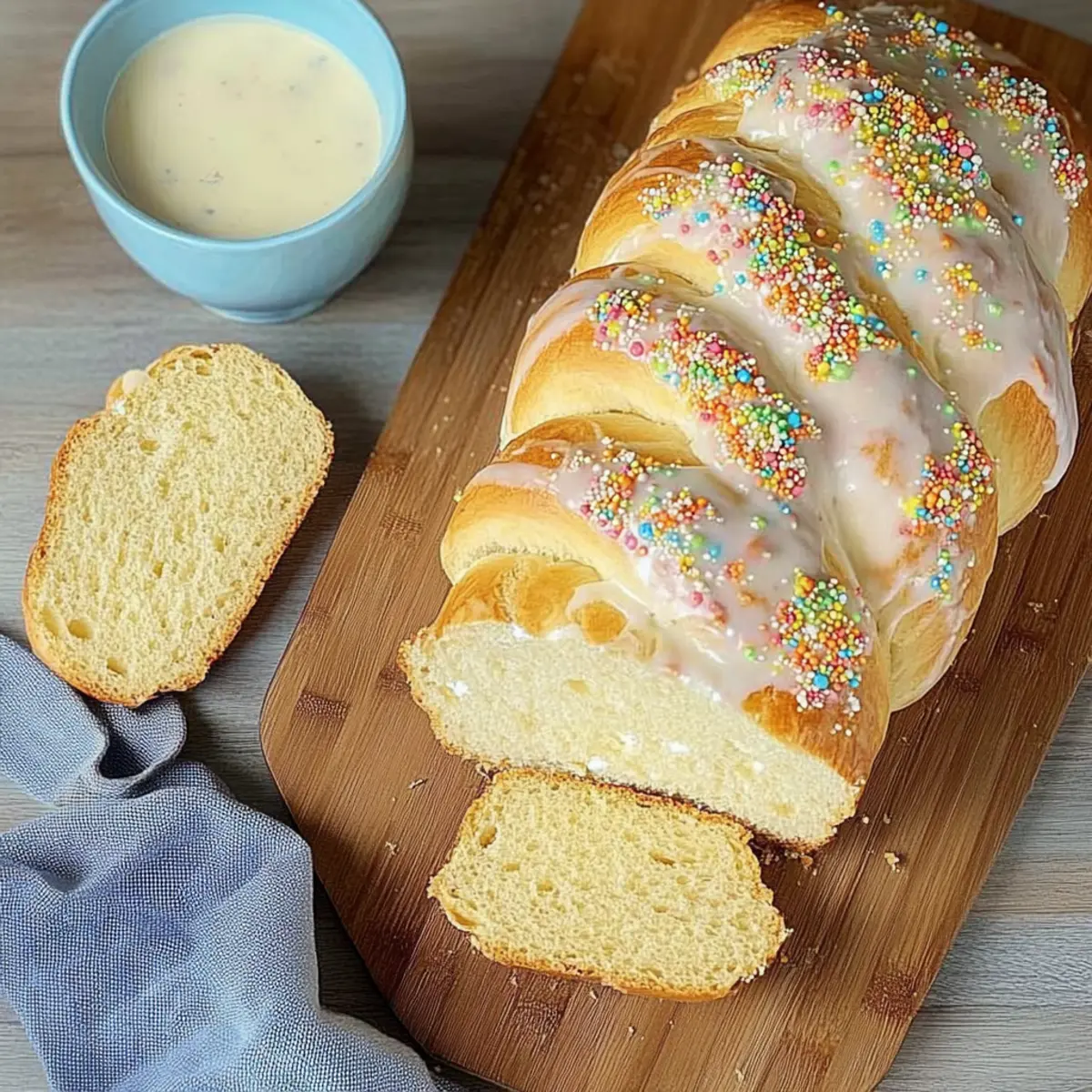
Delicious Ricotta Bread: Soft, Sweet and Perfect for Spring
Ingredients
Equipment
Method
- Preheat your oven to 350°F (175°C).
- Cream together the shortening and sugar using an electric mixer on medium speed for about 5-7 minutes.
- Add the eggs and egg yolks one at a time, mixing well after each.
- Gently fold in the ricotta cheese and almond extract until smooth.
- In a separate bowl, whisk together the all-purpose flour, baking powder, and salt.
- Gradually add the dry mixture to the creamed mixture, alternating with the milk.
- Divide the dough into three equal portions and roll each into an 18-inch long rope. Braid these ropes together.
- Place the braided dough on a baking sheet and bake for 45-55 minutes or until golden brown.
- Once baked, let it cool on a wire rack. Prepare the glaze and drizzle it over the bread.




Leave a Reply