
The aroma of sizzling garlic and ginger wafts through the kitchen, instantly transporting me to bustling Tokyo streets. There’s something undeniably comforting about a steaming plate of Yaki Udon—thick, stir-fried noodles tossed together with crisp vegetables and your choice of protein, whether it be juicy chicken, succulent shrimp, or hearty tofu. This quick meal doesn’t just satisfy hunger; it wraps you in a warm embrace of flavor and versatility, making it perfect for those busy weeknights or when you want to impress guests with minimal fuss. Plus, with endless options to customize the ingredients, Yaki Udon promises to be both a crowd-pleaser and a healthy, nourishing choice. Curious about how to bring this delightful dish to your table? Let’s dive into the recipe!
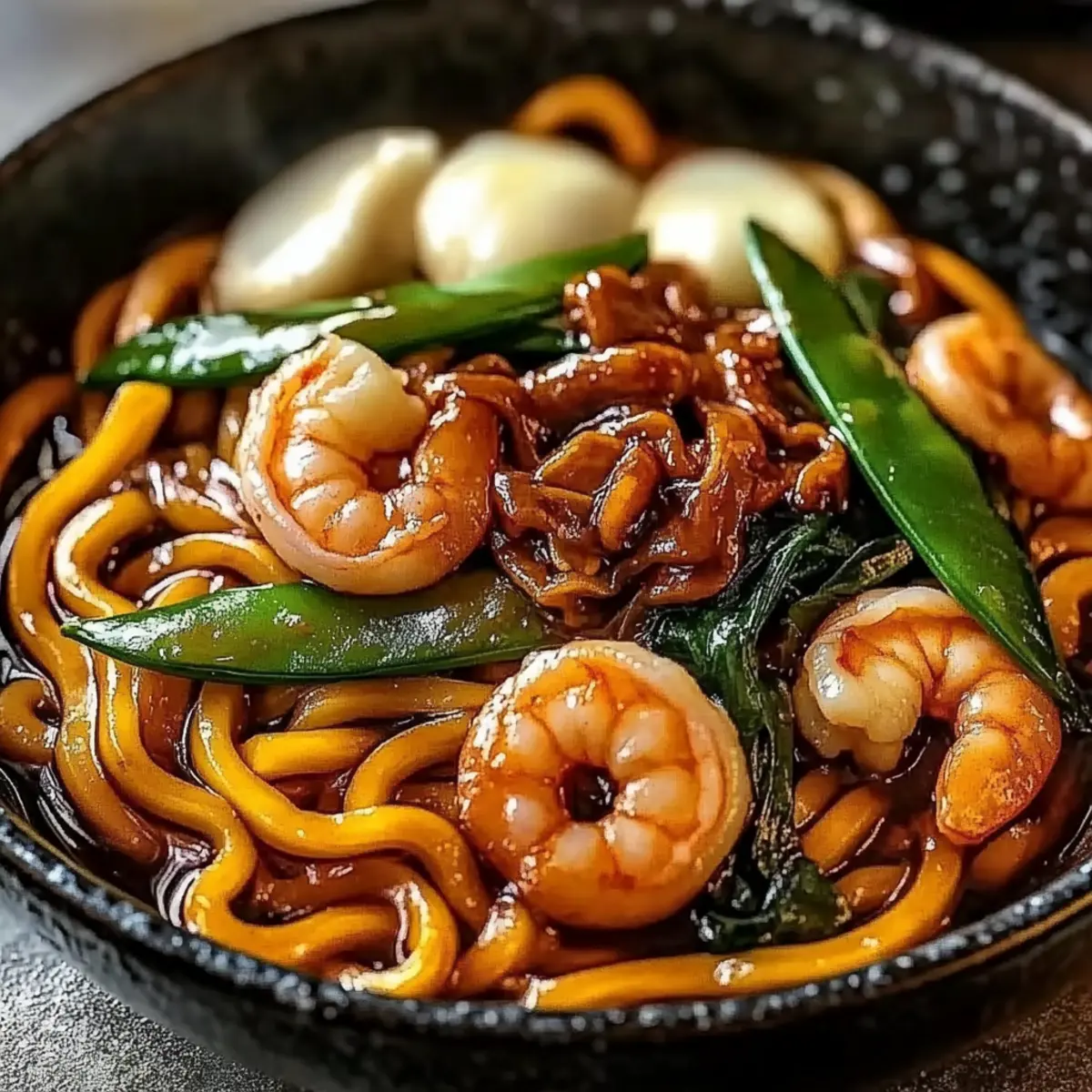
Why is Yaki Udon a must-try?
Quick and Easy: With just a handful of ingredients and minimal prep time, this recipe is perfect for a weeknight dinner.
Versatile to Your Taste: Enjoy the freedom to mix and match proteins and vegetables, ensuring everyone at the table gets their favorite flavors.
Healthy Homemade Goodness: Packed with fresh veggies and the option for lean proteins, Yaki Udon is a nutritious way to satisfy cravings without sacrificing taste.
Rich Flavor: Sautéed garlic and ginger create an aromatic base, while savory soy sauce brings everything together in a delicious harmony.
Crowd-Pleaser: Whether you're cooking for family or entertaining guests, this dish is sure to impress with its vibrant colors and mouthwatering taste.
Ready to craft your own Yaki Udon? Follow along, and don't forget to check out our tips for making this dish even more delightful!
Yaki Udon Ingredients
• Get ready to bring color and flavor to your table!
For the Noodles
• Udon Noodles – The star of this dish; fresh or frozen udon noodles yield the best results for texture.
For the Protein
• Chicken – A classic choice that absorbs flavors beautifully; ensure it’s cooked through for the best taste.
• Shrimp – Cook quickly and add a delightful ocean essence; perfect for a light option.
• Tofu – A fantastic vegetarian substitute; marinate beforehand for extra flavor.
For the Vegetables
• Snow Peas – Provide a crunchy texture and sweet freshness; sauté until tender-crisp.
• Bok Choy – Adds a mild, slightly peppery note; cut into bite-sized pieces for easy eating.
• Cabbage – A versatile ingredient that softens nicely while keeping some crunch; choose vibrant varieties for color.
• Mushrooms – Enhance umami flavor; shiitake or button mushrooms are both excellent options.
For the Sauce
• Soy Sauce – Adds depth and saltiness; low-sodium versions can help keep it healthier.
• Sesame Oil – Infuses a rich, nutty aroma into the dish; if unavailable, vegetable oil can work as a substitute.
For Flavoring
• Garlic – Fresh garlic brings aromatic depth; minced or sliced, it enhances the overall flavor.
• Ginger – Offers a spicy kick and invigorating freshness; fresh is ideal, but powdered serves in a pinch.
With these Yaki Udon ingredients at your side, you’re all set to create a meal that’s not only quick but bursting with flavor and nutrition!
Step‑by‑Step Instructions for Yaki Udon
Step 1: Prep Ingredients
Start by preparing all your ingredients for the Yaki Udon. Gather your fresh or frozen udon noodles and cook them according to the package instructions, typically boiling for about 8–10 minutes until they’re tender yet slightly chewy. While the noodles cook, wash and chop your chosen vegetables and protein, ensuring everything is bite-sized for easy stir-frying.
Step 2: Heat the Wok
In a large wok or a sturdy skillet, heat 2 tablespoons of sesame oil over medium-high heat. Allow the oil to shimmer, which will take about 1 minute, indicating it’s hot enough for cooking. Next, add 2 minced garlic cloves and 1 tablespoon of freshly grated ginger to the oil, stirring continuously for about 30 seconds until fragrant, enriching the base of your Yaki Udon.
Step 3: Cook the Protein
Now, add your chosen protein—whether it’s sliced chicken, shrimp, or tofu—into the hot wok. Stir-fry for approximately 5–7 minutes, or until your chicken is no longer pink or the shrimp turns a beautiful pink color, indicating that they are cooked through. The goal is to achieve a slightly golden exterior while keeping the inside tender.
Step 4: Add Vegetables
With the protein cooked, it’s time to incorporate your vegetables. Toss in the chopped snow peas, bok choy, or cabbage, and stir-fry for around 3–5 minutes. You want them to be tender yet still crisp and vibrant, adding both nutrition and color to your Yaki Udon. Keep stirring to ensure even cooking.
Step 5: Combine Noodles and Sauce
Once your vegetables are just right, add the cooked udon noodles directly into the wok. Pour in about 3 tablespoons of soy sauce, stirring gently to combine everything evenly. Let it cook for an additional 2–3 minutes, ensuring the noodles are heated through and well-coated with the rich, savory sauce.
Step 6: Serve and Garnish
Finally, remove the Yaki Udon from heat and transfer the mixture onto serving plates. You can garnish with a sprinkle of sesame seeds or sliced green onions for an extra pop of flavor and color. Serve hot and enjoy the delightful harmony of textures and tastes in your delicious Yaki Udon!
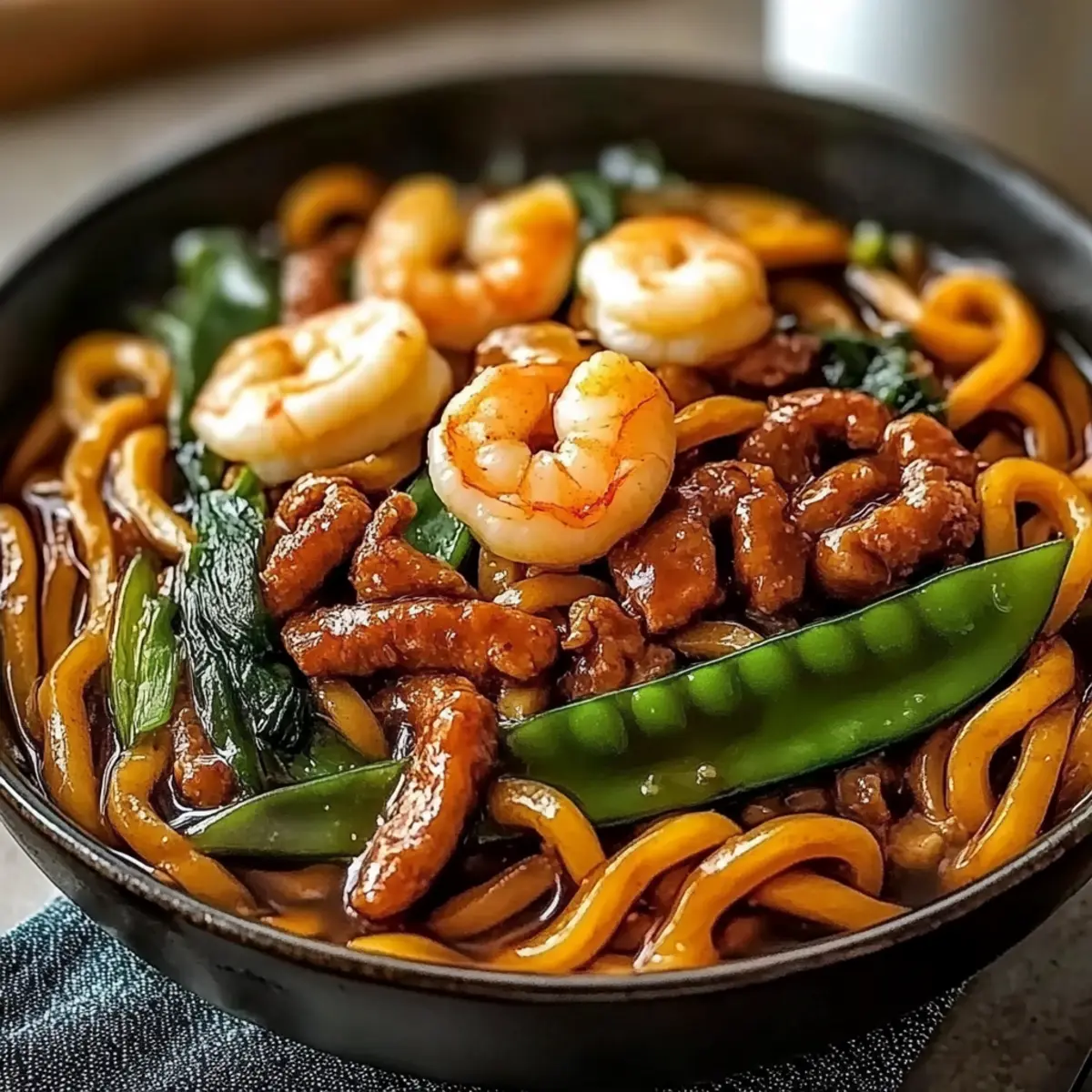
Storage Tips for Yaki Udon
Fridge: Store leftover Yaki Udon in an airtight container for up to 3 days. This keeps flavors fresh while preventing any moisture loss.
Freezer: For longer storage, freeze Yaki Udon in a freezer-safe container for up to 2 months. To avoid clumping, separate portions with parchment paper.
Reheating: When ready to eat, thaw overnight in the fridge, then reheat in a pan over medium heat, adding a splash of soy sauce or water to restore moisture.
Make-Ahead: Prepping ingredients a day in advance can save time; store chopped vegetables and marinated protein separately for best results!
Expert Tips for Yaki Udon
-
Even Cooking: Ensure you stir constantly to prevent noodle clumping. This step is crucial for achieving perfectly fried Yaki Udon.
-
Crunchy Vegetables: Avoid overcooking your veggies; they should remain vibrant and crisp. A quick stir-fry will keep their texture intact.
-
Sauce Adjustment: Before serving, sauté a small bit of reserved sauce to taste-test the flavor balance. This ensures your Yaki Udon is perfectly seasoned!
-
Ingredient Prep: Chop all vegetables and protein ahead of time. This streamlines the cooking process and guarantees a quick meal.
-
Protein Alternatives: Feel free to use seitan or tempeh instead of traditional proteins for a delightful vegan Yaki Udon option!
What to Serve with Yaki Udon?
There's nothing quite like elevating your Yaki Udon experience with perfectly paired sides that will make your meal truly memorable.
-
Pickled Ginger: Add a tangy crunch to your plate that brightens the savory flavors of the Yaki Udon. Its zesty notes awaken the palate, making each bite even more enjoyable.
-
Sesame Crusted Edamame: A delicious and nutritious side packed with protein, these bite-sized beans complement the dish's overall richness while providing a delightful crunch.
-
Crispy Spring Rolls: These flaky delights filled with crisp vegetables offer a crunchy contrast to your savory noodles, enhancing the dining experience with each satisfying crunch.
-
Miso Soup: A warm bowl of miso soup serves as a comforting starter, its umami flavors flowing beautifully alongside the Yaki Udon’s savory elements. It sets a perfect tone for the meal.
-
Sautéed Bok Choy: Lightly stir-fried with garlic, this dish mirrors the vegetables in your noodles and adds a tender element that melds seamlessly with your Yaki Udon.
-
Green Tea: This soothing beverage refreshes the palate, offering a clean finish after the rich flavors of your meal and enhancing the authentic Japanese dining experience.
-
Chocolate Mochi: For dessert, these chewy rice cakes filled with sweet surprises provide a delightful way to end your meal on a light and fun note. The sweetness balances the savory elements beautifully.
Yaki Udon Variations & Substitutions
Feel free to let your creativity shine and personalize this Yaki Udon recipe to your liking!
- Vegan Swap: Replace chicken or shrimp with seitan or tempeh for a satisfying plant-based option that'll still pack a punch.
- Whole Grain Noodles: Opt for whole wheat udon for a heartier, more fiber-rich version that boosts the nutritional value.
- Heat it Up: Add a splash of sriracha or a sprinkle of red pepper flakes for those who crave a little spice in their meal.
- Ingredient Boost: Toss in some spinach or kale for extra greens; these vibrant additions elevate both flavor and nutrition effortlessly.
- Asian Fusion: Drizzle some hoisin sauce alongside soy sauce for a sweet and savory twist that adds depth to the flavor profile.
- Nutty Delight: Toss in some peanuts or cashews just before serving for a delightful crunch and unexpected textural twist.
- Crispy Toppings: Finish with fried shallots or garlic chips on top for an irresistible crunch that'll make each bite a party in your mouth.
- Leftover Magic: Use leftover roasted veggies from last night’s dinner; it’s a fantastic way to minimize waste while maximizing flavor!
Remember, customizing Yaki Udon is a great way to clear out the fridge while keeping the comfort food feeling intact. And if you’re curious about other fun noodle dishes, our delightful homemade ramen recipes might pique your interest! Enjoy the cooking adventure!
Make Ahead Options
Preparing Yaki Udon ahead of time is a game-changer for busy home cooks! You can chop your vegetables and marinate your protein (for up to 24 hours) in advance, storing them in airtight containers in the refrigerator to maintain their freshness. Additionally, you can cook the udon noodles a day before and toss them with a bit of oil to prevent sticking. When you're ready to enjoy your delicious Yaki Udon, simply heat sesame oil in a wok, add the garlic and ginger, followed by your marinated protein and vegetables. Stir-fry until cooked, then add the prepared noodles and soy sauce, cooking for just a few minutes more. This way, you’ll have a fantastic meal on the table in no time, without sacrificing flavor or quality!
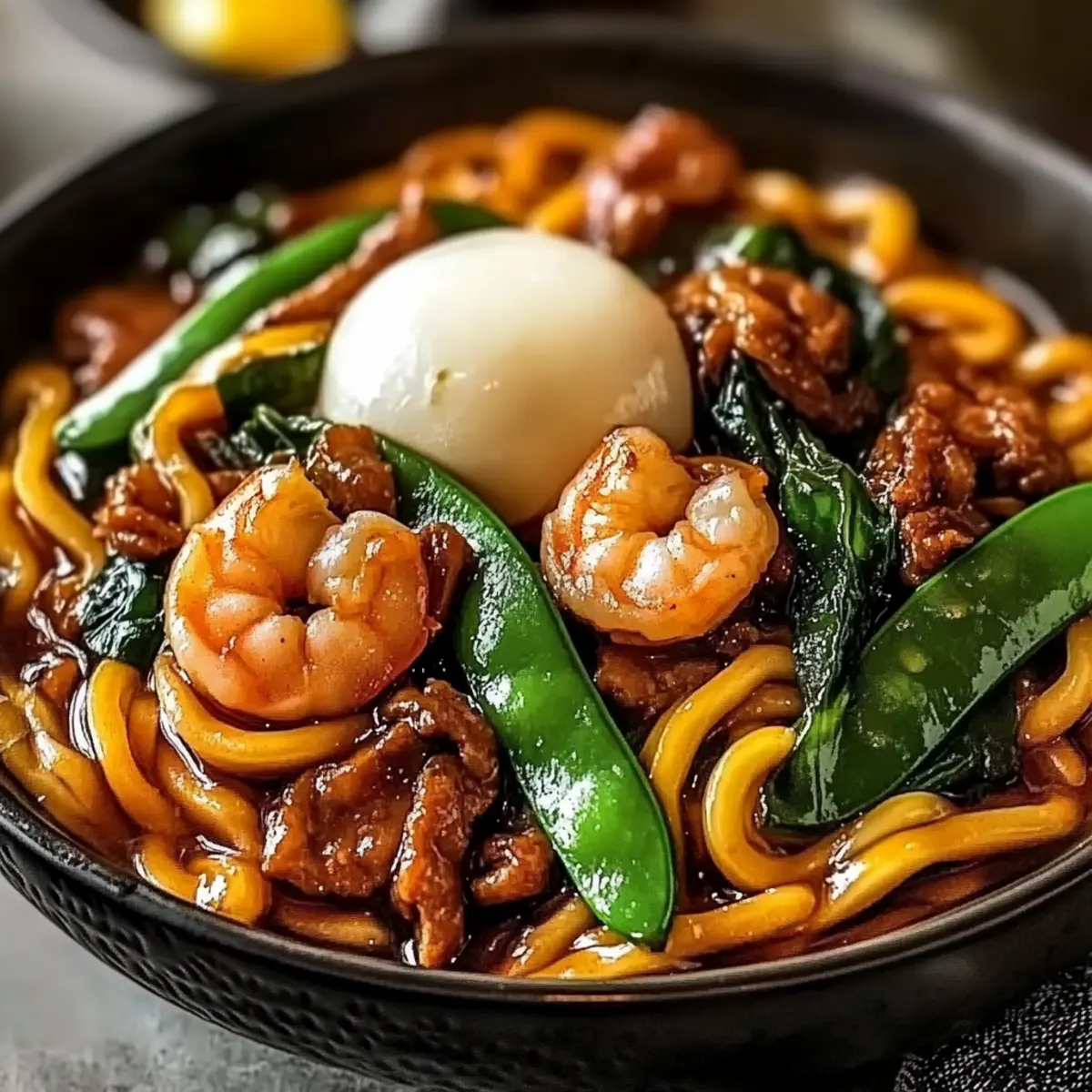
Yaki Udon Recipe FAQs
What type of udon noodles should I use?
You can use fresh or frozen udon noodles for the best texture in your Yaki Udon. Instant udon can also work in a pinch, but the fresh varieties tend to have a delightfully chewy feel that truly elevates the dish.
How do I store leftover Yaki Udon?
Store your leftover Yaki Udon in an airtight container in the fridge, where it will stay fresh for up to 3 days. Make sure to let it cool before sealing to avoid moisture buildup, which can make the noodles soggy.
Can Yaki Udon be frozen?
Absolutely! You can freeze Yaki Udon in a freezer-safe container for up to 2 months. To prevent clumping, it’s best to separate portions with parchment paper. When you’re ready to enjoy it again, thaw it overnight in the fridge.
What if my vegetables are overcooked?
If you find that your vegetables have become too soft during cooking, don’t worry! You can enhance their flavor by quickly sautéing them with a bit of olive oil, garlic, and ginger after cooking. This method adds a lovely texture and aromatic depth to the dish.
Are there any dietary considerations for Yaki Udon?
Yes, Yaki Udon can be easily adapted to cater to various dietary needs. For a vegetarian or vegan version, swap proteins like chicken or shrimp with marinated tofu, tempeh, or seitan. Always check soy sauce for gluten-free options if necessary.
How can I customize the flavors of my Yaki Udon?
To customize your Yaki Udon, experiment with adding different vegetables such as bell peppers, carrots, or zucchini based on what you have available. Also, consider using flavored soy sauces or adding a splash of sesame or chili oil for an extra kick. Enjoy mixing and matching!
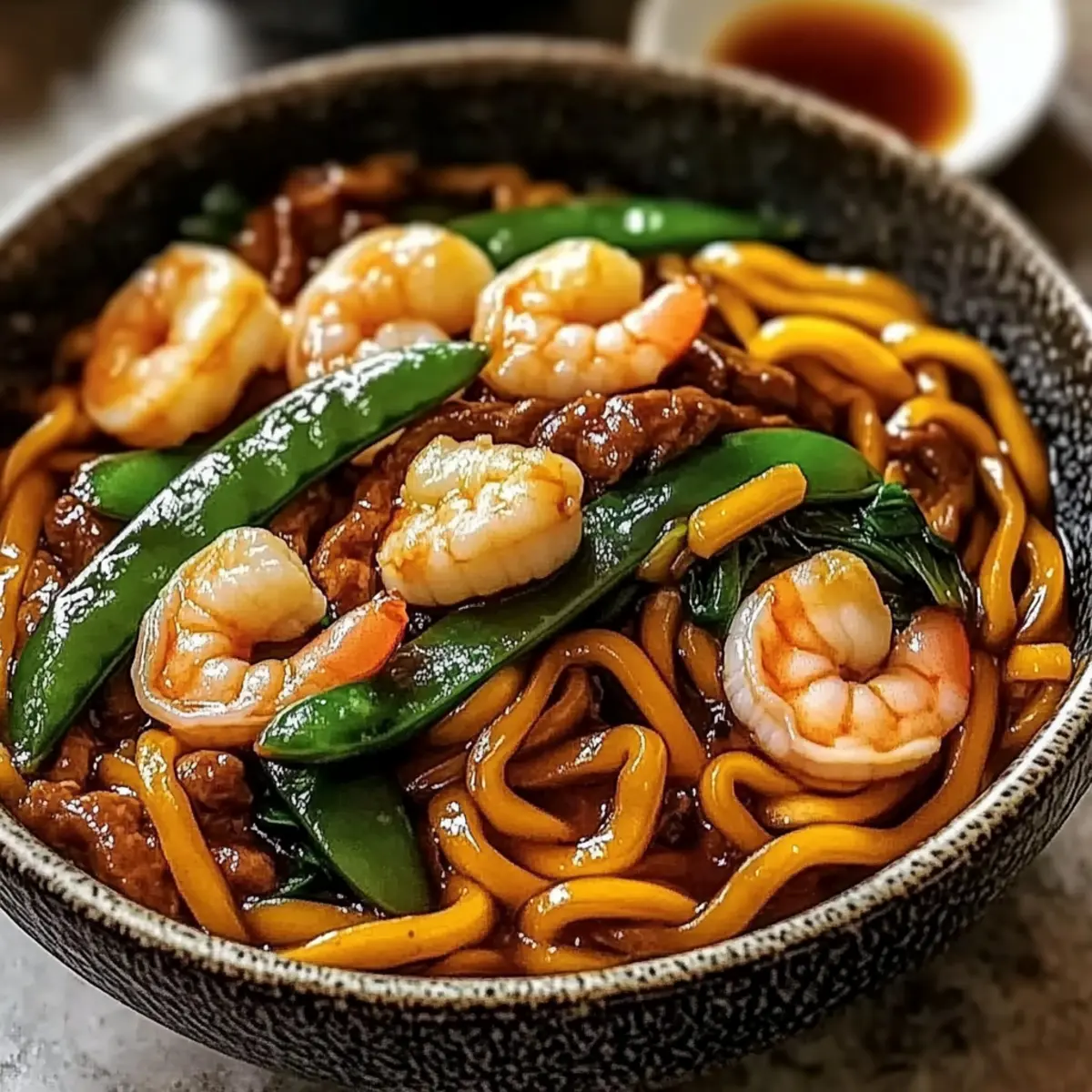
Delicious Yaki Udon: Quick Comfort Food You’ll Love
Ingredients
Equipment
Method
- Prep all ingredients for Yaki Udon by cooking udon noodles according to package instructions.
- Heat sesame oil in a large wok over medium-high heat. Add minced garlic and grated ginger, stirring until fragrant.
- Add protein (chicken, shrimp, or tofu) to the wok. Stir-fry until cooked through, about 5-7 minutes.
- Toss in vegetables (snow peas, bok choy, cabbage) and stir-fry for 3-5 minutes until tender-crisp.
- Combine cooked udon noodles with the mixture and add soy sauce. Stir gently and cook for 2-3 minutes.
- Serve hot, garnished with sesame seeds or green onions.




Leave a Reply