
As the fragrant aroma of simmering beef wafts through the kitchen, I can't help but feel a sense of warmth and comfort that only a bowl of Korean Beef Noodles can provide. This dish brings together succulent beef chuck, tender noodles, and a savory broth that sings with the flavors of garlic, ginger, and a delicate hint of spice. What I love most about this recipe is its effortless charm—it’s perfect for busy weeknights when I long for a home-cooked meal without spending hours in the kitchen. Not only is it a high-protein, crowd-pleasing delight, but the slow cooker does all the heavy lifting while I focus on other things. Ready to elevate your dinner game and dive into a comforting bowl of Korean Beef Noodles? Let’s get started!
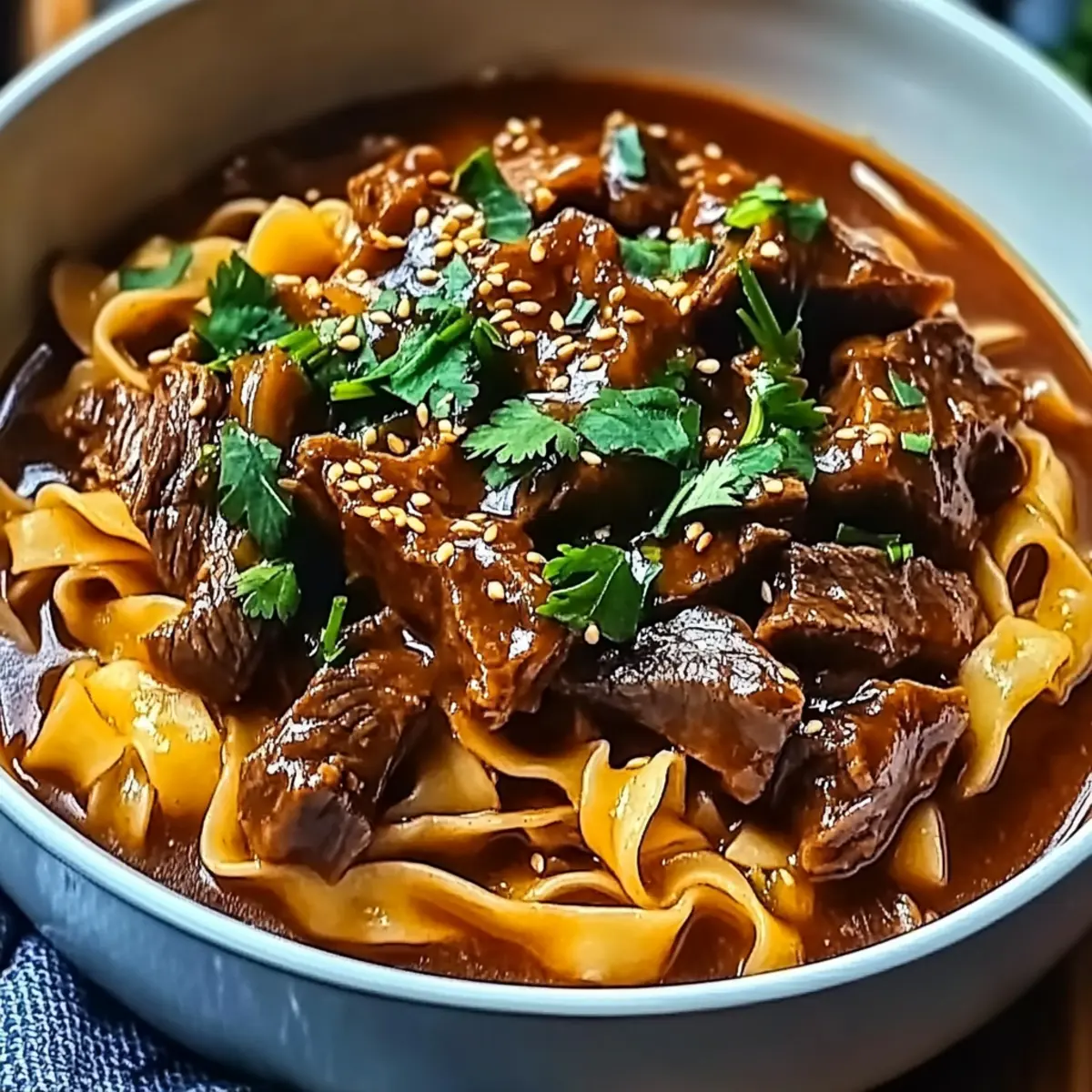
Why are Korean Beef Noodles essential?
Comforting Meal: This dish brings savory goodness that wraps you in warmth.
Effortless Preparation: With just a slow cooker, you can walk away while the magic happens!
High Protein Delight: Perfect for health-conscious eaters looking for filling options.
Versatile Variations: Swap out beef for chicken or tofu any night you fancy something different.
Crowd-Pleaser: Friends and family will keep asking for seconds—you’ll impress them effortlessly!
Give your weeknight meals an upgrade by savoring these Korean Beef Noodles that deliver sumptuous flavor with minimal effort.
Korean Beef Noodles Ingredients
For the Beef:
• Beef Chuck – Rich flavor and tender texture; cut into 1-inch pieces for even cooking.
For the Broth:
• Beef Broth – Provides the base for the sauce; can substitute with vegetable broth for a lighter flavor.
• Water – Dilutes the beef broth slightly; no substitution needed unless reducing sodium.
• Soy Sauce – Adds umami and saltiness; low-sodium soy sauce can be used for a healthier alternative.
• Brown Sugar – Adds sweetness to balance savory elements; substitute with honey or coconut sugar if desired.
• Ginger – Adds warmth and a slight spice; fresh ginger is preferred over ground ginger.
• Garlic – Enhances the overall flavor with aromatic notes; fresh minced garlic is ideal.
• Sesame Oil – Provides a nutty flavor; can use olive oil in case of allergies.
• Black Pepper – Adds seasoning; freshly ground is recommended for the best flavor.
• Gochujang – Korean chili paste that gives heat and depth; substitute with sriracha for a different spice profile.
For the Noodles:
• Noodles (Udon or Ramen) – Base of the dish that absorbs the broth flavor; fresh or dried noodles can be used.
For Garnish:
• Green Onions – For garnish, adding freshness and a pop of color.
• Sesame Seeds – Optional topping for added texture.
• Cilantro – Optional garnish to enhance flavor with freshness.
Elevate your dinner with these Korean Beef Noodles that promise comfort and satisfaction, served right from your slow cooker!
Step‑by‑Step Instructions for Korean Beef Noodles
Step 1: Prepare the Beef
Begin by cutting the beef chuck into 1-inch pieces, ensuring uniform size for even cooking. Season the beef with freshly ground black pepper, allowing it to coat each piece thoroughly. This step enhances the flavor of your Korean Beef Noodles right from the start, and it sets the stage for the rich broth to follow.
Step 2: Mix Sauce
In a medium bowl, whisk together the beef broth, soy sauce, brown sugar, minced garlic, grated ginger, sesame oil, and gochujang. Continue whisking until the brown sugar completely dissolves, creating a harmonious blend of flavors. This savory sauce is essential for your Korean Beef Noodles, providing depth and a touch of sweetness to balance the umami profile.
Step 3: Slow Cook
Transfer the seasoned beef into your slow cooker and pour the sauce mixture over it. Stir gently to ensure all the beef is coated. Cover the slow cooker and set it on low for 6–8 hours or high for 3–4 hours. As the beef cooks, it will become tender and soak up all the flavors of the sauce, filling your kitchen with delightful aromas.
Step 4: Cook Noodles
About 15–20 minutes before you’re ready to serve, bring a large pot of water to a boil. Add your choice of udon or ramen noodles and cook according to the package instructions, usually around 4–8 minutes for fresh noodles or slightly longer for dried noodles. Drain the noodles once cooked, setting them aside until you're ready to combine them with the beef.
Step 5: Combine
Once the beef is tender and fully cooked, carefully stir in the prepared noodles into the slow cooker. Gently fold the noodles with the beef and broth, allowing them to soak up the delightful flavors for a couple of minutes. This step is crucial for creating a cohesive dish, as the noodles will absorb the savory essence of the Korean Beef Noodles.
Step 6: Serve
Ladle the hearty combination of beef and noodles into bowls. Garnish each serving with freshly sliced green onions, sesame seeds, and cilantro for a pop of color and additional flavor. The result is a comforting bowl of Korean Beef Noodles, perfect for sharing with family or enjoying solo on a cozy evening.
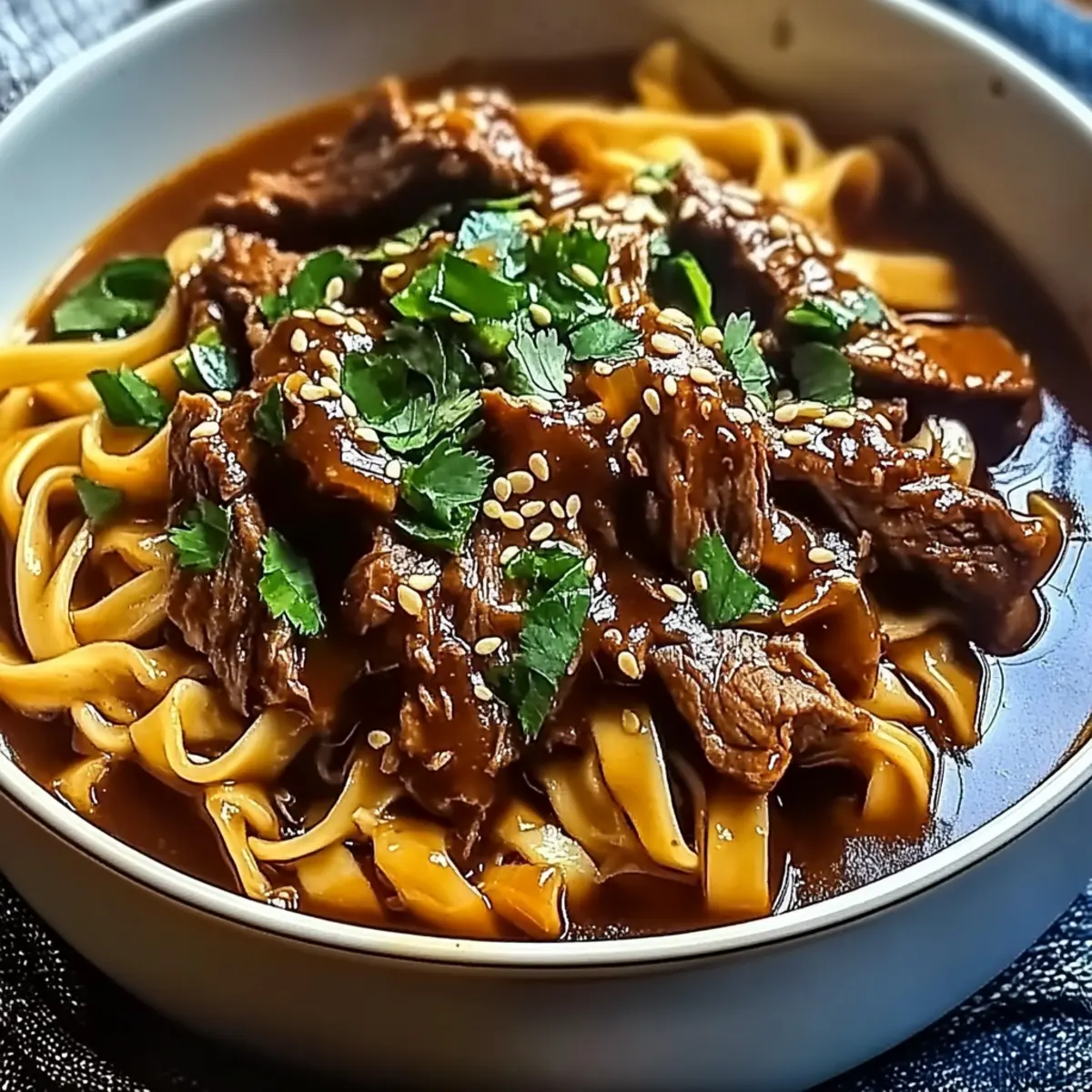
What to Serve with Slow Cooker Korean Beef Noodles
Craving a complete meal that delights every sense? Let your taste buds explore delicious pairings that beautifully complement the rich flavors of your Korean Beef Noodles.
-
Cucumber Salad: A refreshing and crisp salad that adds a cool contrast to the savory noodles, making each bite rejuvenating.
-
Kimchi: The fermented tang of this traditional side lends a spicy kick while introducing probiotic goodness that aids digestion.
-
Steamed Broccoli: Tender yet slightly crunchy, broccoli brings a vibrant green element to your plate. Toss with sesame oil for a harmonious flavor match.
-
Spicy Pickled Radishes: These tangy and spicy bites cut through the richness of the dish, offering a bright pop of color and flavor that excites the palate.
-
Savory Edamame: Lightly salted and steamed, edamame provides a satisfying bite with a boost of protein, making it an excellent companion on the side.
-
Mango Lassi: This creamy, sweet drink tempers the spice with its coolness, creating a delightful balance while enhancing your meal's experience.
-
Sesame Noodles: For an extra noodle fix, serve with chilled sesame noodles. Their nutty taste gives an enjoyable twist to your dining adventure.
-
Chocolate Mochi: End the meal on a sweet note with these delightful, chewy treats that offer a touch of sweetness to contrast the savory main course.
Make Ahead Options
Preparing Korean Beef Noodles in advance makes weeknight meals a breeze! You can marinate the beef in soy sauce, garlic, and ginger up to 24 hours in advance to intensify the flavor. Additionally, you can mix the sauce separately and store it in the refrigerator for up to 3 days. When you're ready to enjoy, simply add the marinated beef and sauce to your slow cooker and let it do the magic. About 20 minutes before serving, cook the noodles per package instructions and add them to the tender beef. This method not only saves time but ensures your Korean Beef Noodles are just as delicious and comforting!
Storage Tips for Korean Beef Noodles
Fridge: Store leftovers in an airtight container for up to 3 days. Make sure to let them cool completely before sealing to prevent moisture buildup.
Freezer: For longer storage, freeze the beef and broth mixture without noodles for up to 3 months. Reheating will be more flavorful without overcooking the noodles.
Reheating: Gently reheat in a saucepan over medium heat until warmed through, adding a splash of water or broth to loosen the consistency if needed.
Noodles: If you’ve already mixed noodles with the beef, consume within 2 days for the best texture. The noodles may absorb too much broth over time, so consider freezing the beef separately.
Expert Tips for Korean Beef Noodles
-
Cut Uniformly: Ensure beef is cut into 1-inch pieces for even cooking. This prevents some pieces from becoming tough while others are perfect.
-
Watch the Noodles: Avoid overcooking the noodles; they should retain a bit of firmness since they’ll continue soaking up broth after cooking.
-
Marinate for Flavor: Consider marinating the beef in soy sauce and garlic the night before. This extra step enhances the flavor of your Korean Beef Noodles significantly.
-
Adjust Spice Levels: If you're sensitive to heat, begin with a smaller amount of gochujang. You can always add more later, but you can't take it out!
-
Perfect Storage: Store leftovers in airtight containers for up to 3 days. Reheating can enhance the flavors, making them even more savory!
Korean Beef Noodles Variations & Substitutions
Feel free to get creative with your Korean Beef Noodles by customizing these delightful variations!
- Protein Swap: Replace beef with chicken or tofu for a lighter option. Both proteins absorb the same savory flavors and make delicious alternatives!
- Veggie Boost: Add chopped bell peppers, carrots, or snap peas during the slow cooking process for added nutrition and texture. It’s a fantastic way to sneak in some veggies!
- Spicy Kick: Increase the gochujang or toss in sliced fresh chilies for heat to elevate the spice level. If some in your family love their meals fiery, this twist will thrill them!
- Noodle Variety: Use rice noodles, soba noodles, or zucchini noodles for a gluten-free or lower-carb alternative. Each brings its own unique flavor and texture to the dish.
- Herb Game: Swap cilantro for fresh basil or mint for an unexpected herbal twist. The freshness can create a lovely contrast with the savory broth.
- Umami Upgrade: Drizzle a bit of fish sauce or Worcestershire sauce into your broth for an additional umami kick. It’s a small change with a significant flavor impact!
- Creamy Touch: Add a splash of coconut milk or cream during the last minutes of cooking for a rich and creamy version of your broth. This can lend a delightful twist to the comforting flavors!
- Heartier Dish: Incorporate potatoes or sweet potatoes into the slow cooker for a heartier stew-like dish. They'll soak up all the lovely flavors while cooking.
With these ideas, your Korean Beef Noodles can be customized to suit any craving! For another cozy meal, try this Tteokbokki Spicy Korean dish that is sure to impress.
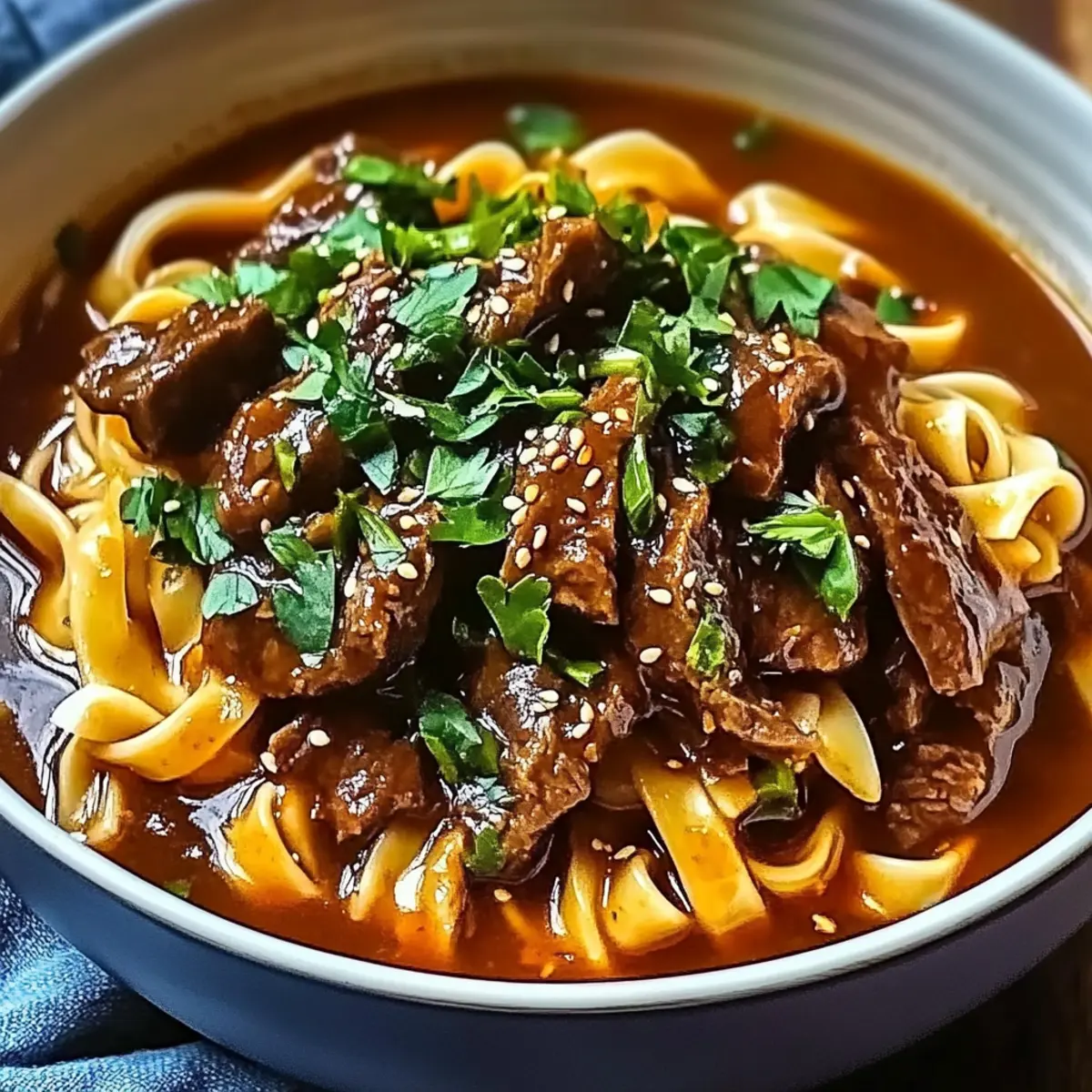
Korean Beef Noodles Recipe FAQs
How do I choose ripe ingredients for Korean Beef Noodles?
For the best flavor, select fresh beef chuck with a deep red color, free from dark spots or strong odors. When choosing ginger, opt for firm pieces with smooth skin to ensure maximum freshness. Additionally, for green onions, pick those with vibrant green tops and fresh, white bulbs without wilting.
How should I store leftover Korean Beef Noodles?
Absolutely! Place any leftovers in an airtight container in the refrigerator for up to 3 days. Let them cool completely before sealing to avoid condensation buildup, which can make them soggy. When reheating, gently warm them in a saucepan over medium heat, adding a splash of broth if needed to keep the dish saucy.
Can I freeze Korean Beef Noodles?
Of course! To freeze, store the beef and broth mixture without the noodles in an airtight container or freezer bag for up to 3 months. When you're ready to enjoy it again, thaw it in the refrigerator overnight. Reheat in a saucepan, and cook fresh noodles separately to mix in right before serving for optimal texture.
What if my noodles are overcooked?
Very! If your noodles end up overcooked and mushy, they may not hold up well in future meals. To prevent this, follow package cooking times closely and taste test them a minute or two before they are supposed to be done. If you find them mushy after cooking, you can still add crunchy vegetables like bean sprouts or a sprinkle of crispy fried shallots for a delightful contrast.
Are there any dietary considerations for Korean Beef Noodles?
Absolutely! For individuals with gluten sensitivities, you can easily swap traditional noodles for gluten-free options like rice noodles. If you're avoiding soy, use coconut aminos instead of soy sauce for a similar umami flavor. If you're concerned about allergies, always double-check ingredient labels on sauces and condiments.
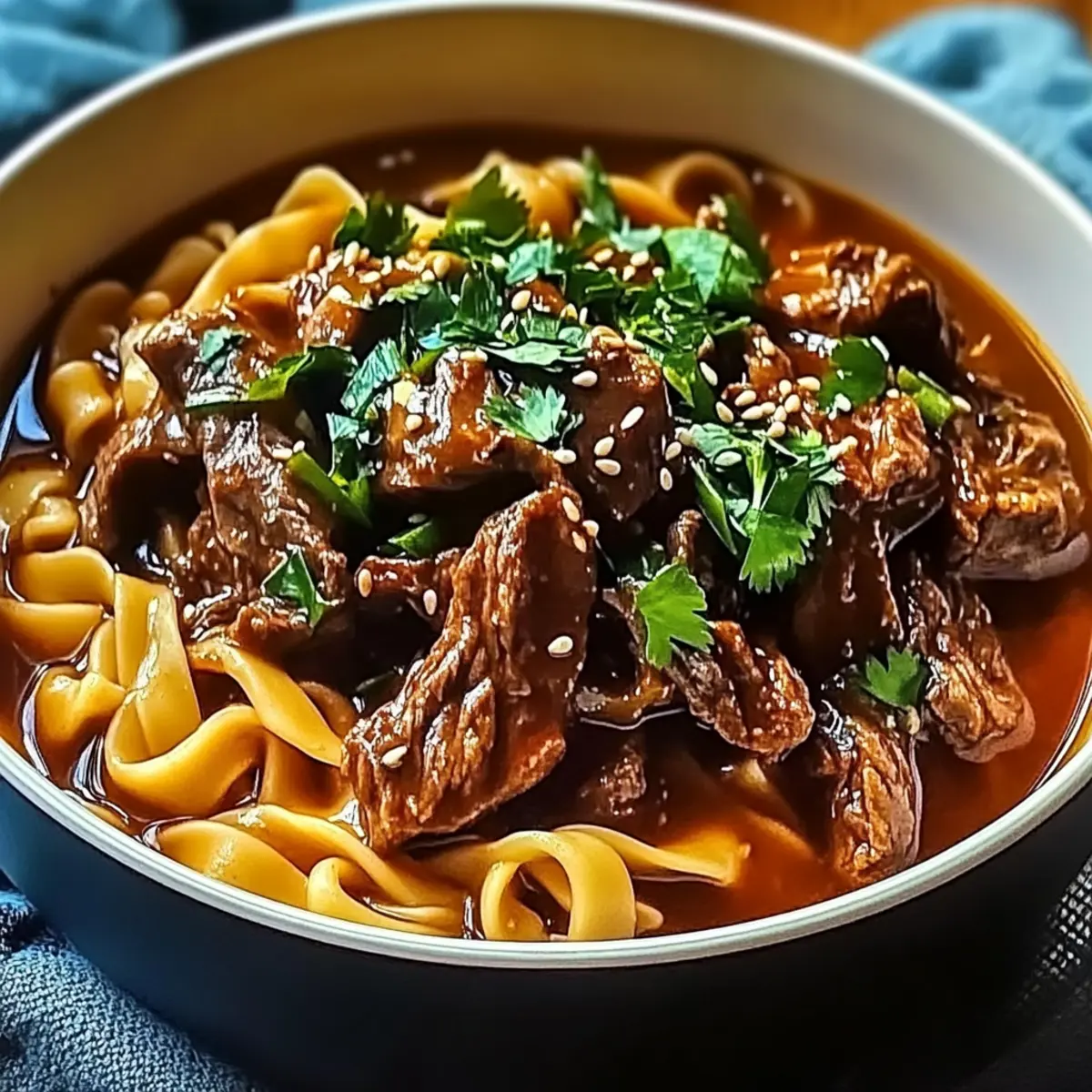
Heavenly Korean Beef Noodles: Comfort in Every Bite
Ingredients
Equipment
Method
- Prepare the Beef: Cut the beef chuck into 1-inch pieces and season with black pepper.
- Mix Sauce: Whisk together the beef broth, soy sauce, brown sugar, garlic, ginger, sesame oil, and gochujang until well combined.
- Slow Cook: Place the seasoned beef in a slow cooker, pour the sauce over, and cook on low for 6-8 hours or high for 3-4 hours.
- Cook Noodles: Boil water and cook the udon or ramen noodles as per package instructions (4-8 minutes).
- Combine: Stir in the prepared noodles with beef and broth, allowing the flavors to meld for a few minutes.
- Serve: Ladle into bowls and garnish with green onions, sesame seeds, and cilantro.

Leave a Reply