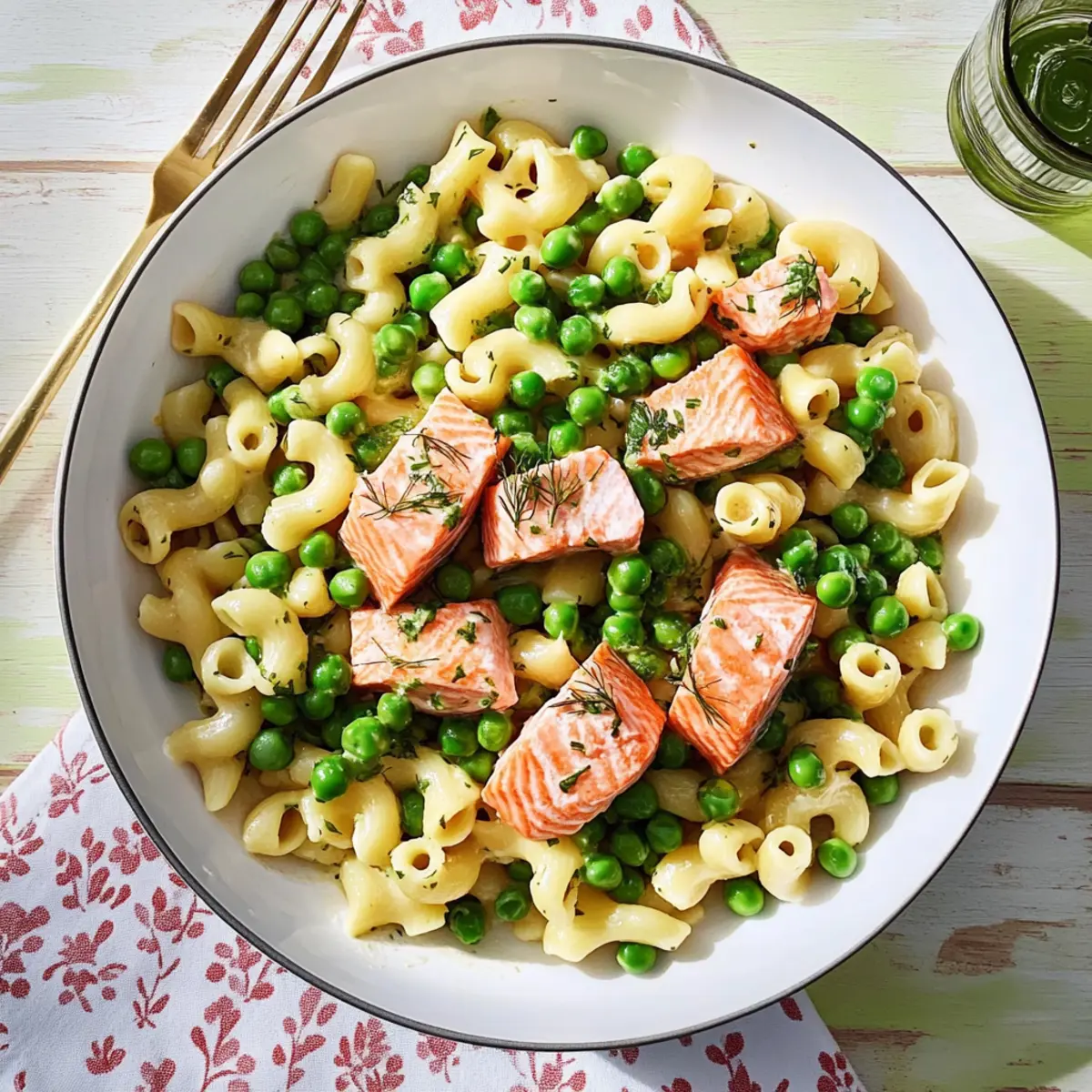
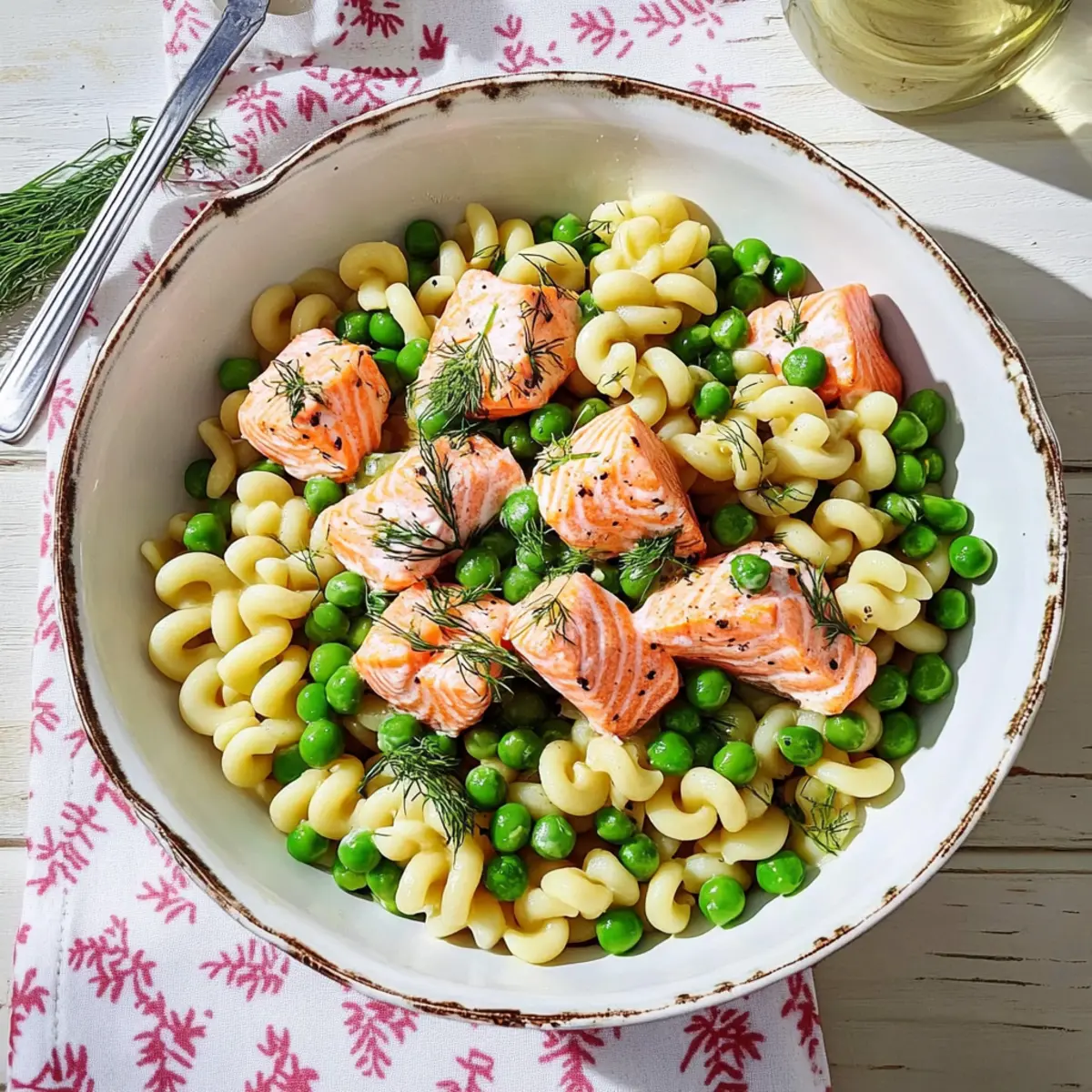
As I stood in my kitchen, the sun streaming through the window, I felt the unmistakable pull of spring calling for something fresh and vibrant. That’s when I decided to whip up this Spring Pasta with Salmon, Peas, and Dill. With creamy white wine sauce enveloping tender pasta and flaky salmon, this dish captures the essence of the season in just 30 minutes. It’s not only quick to prepare, making it perfect for busy weeknights, but it’s also a crowd-pleaser that’ll impress any dinner guests. The snap of sweet peas and aromatic dill elevate this dish, transforming it into a light yet satisfying meal that feels like a celebration of nature’s bounty. Ready to dive into a plateful of springtime bliss? Let’s get cooking!
Why Is This Spring Pasta So Great?
Fresh, Seasonal Ingredients: This recipe brings the taste of spring right to your table with vibrant peas and fragrant dill that awaken your senses.
Quick and Easy: Ready in just 30 minutes, it’s perfect for those busy evenings when you crave a homemade meal without the fuss.
Flavorful and Light: The creamy white wine sauce beautifully coats the pasta, offering a rich flavor without weighing you down.
Versatile: Feel free to swap out the salmon for shrimp or chicken for a delicious twist, or try adding in seasonal veggies like zucchini.
Impressive Presentation: With its delightful colors and textures, this dish is bound to impress your dinner guests, making it ideal for entertaining.
Now that you know why this Spring Pasta with Salmon, Peas, and Dill is a must-try, why not check out some other delicious options? You might enjoy the cozy warmth of Pasta Bake Pumpkin, or the creamy goodness of Tomato Pasta Comforting.
Spring Pasta with Salmon Ingredients
Get ready to gather some fresh ingredients for a delightful Spring Pasta with Salmon, Peas, and Dill!
For the Pasta
- Cavatappi pasta (or other short pasta) – This shape holds sauce beautifully; feel free to swap with whole grain for added nutrition.
For the Salmon
- Salmon fillets – A lean source of protein that becomes tender when roasted; buy skinless for ease.
For the Sauce
- Unsalted butter – Adds richness to the sauce; olive oil can serve as a lighter alternative.
- Yellow onion (chopped) – Gives a sweet base flavor; shallots can be used for a milder taste.
- Dry white wine – Boosts the sauce's depth; if avoiding alcohol, use vegetable broth instead.
- Whole coriander (crushed) – Infuses an earthy note; ground coriander works in a pinch.
For the Vegetables
- Fresh or frozen English peas – Adds a pop of sweetness; fresh should be blanched lightly, while frozen is ready to go.
For Flavor
- Kosher salt & black pepper – Essential for seasoning; adjust to your taste preferences.
- Fresh dill (torn) – Brightens the dish with its aromatic notes; parsley is a great substitute if needed.
Step‑by‑Step Instructions for Spring Pasta with Salmon, Peas, and Dill
Step 1: Preheat and Prepare Salmon
Begin by preheating your oven to 400°F (200°C). Line a baking sheet with parchment paper for easy cleanup. Season the salmon fillets with kosher salt and black pepper, then place them skin-side down on the prepared baking sheet. Roast the salmon in the preheated oven for about 12–15 minutes, or until it flakes easily with a fork, imparting a beautiful golden color.
Step 2: Sauté Onions and Peas
While the salmon is roasting, heat a large skillet over medium heat and melt 2 tablespoons of unsalted butter. Add the chopped yellow onion and sauté for 3–5 minutes, until the onion becomes translucent and fragrant. Next, stir in the fresh or frozen English peas, cooking for another 2–3 minutes until they are bright green and tender, creating a vibrant base for your Spring Pasta with Salmon, Peas, and Dill.
Step 3: Add Wine and Seasonings
Pour in ½ cup of dry white wine and sprinkle with crushed whole coriander. Allow the mixture to simmer gently for about 5 minutes, letting the wine reduce slightly and intensify in flavor. As it bubbles, you’ll notice a delightful aroma filling your kitchen. Once reduced, whisk in another 2 tablespoons of unsalted butter until it melts, creating a luxurious sauce that will coat your pasta.
Step 4: Cook the Pasta
In a large pot, bring salted water to a rolling boil and cook 8 ounces of cavatappi pasta according to the package instructions, usually around 7–10 minutes until al dente. Reserve ½ cup of the pasta water, then drain the pasta in a colander. The timing of this step should align with finishing your sauce for a timely mix of flavors.
Step 5: Combine Pasta and Sauce
Add the drained pasta directly into the skillet with the sauce, tossing gently to combine. If the sauce seems too thick, gradually stir in some reserved pasta water to reach your desired consistency. Flake the roasted salmon and carefully fold it into the pasta mixture, allowing the flavors of the Spring Pasta with Salmon, Peas, and Dill to meld beautifully.
Step 6: Finish with Fresh Dill
Finally, take a generous handful of torn fresh dill and sprinkle it over the pasta, tossing lightly to combine. Season the dish with additional kosher salt and black pepper to taste. Serve immediately, enjoying the delightful aromas and vibrant colors, capturing the essence of spring in each bite!
Make Ahead Options
These Spring Pasta with Salmon, Peas, and Dill are perfect for busy weeknights when you want a homemade meal without the fuss! You can prepare the salmon and sauce up to 24 hours in advance. Simply roast the salmon and make the white wine sauce; once cooled, store them in airtight containers in the refrigerator. The pasta can also be cooked and refrigerated for up to 3 days. When you're ready to serve, reheat the salmon and sauce gently on the stove, cook fresh pasta, and toss everything together with dill right before serving for that just-cooked taste. This way, you can enjoy a delightful meal with minimal effort and maximum flavor!
How to Store and Freeze Spring Pasta with Salmon, Peas, and Dill
Fridge: Store any leftover Spring Pasta with Salmon, Peas, and Dill in an airtight container for up to 2 days. Reheat gently to preserve the salmon's texture and prevent overcooking.
Freezer: For longer storage, freeze the pasta for up to 1 month in an airtight container. To reheat, thaw overnight in the fridge and warm on the stove over low heat, adding a splash of water as needed.
Reheating: When reheating, use medium heat and stir often to ensure even warming. Add a little more butter or olive oil for added moisture if needed.
Avoid Overcooking: It's best to consume your Spring Pasta with Salmon, Peas, and Dill fresh, but these tips will help keep leftovers tasty!
Spring Pasta with Salmon Variations
Feel free to get creative with this recipe; it's all about personalizing your delicious dish to make it truly yours!
-
Vegetable Boost: Add zucchini or asparagus for extra sweetness and crunch, embracing the fresh flavors of spring! They cook quickly and add a lovely color to your dish.
-
Protein Swap: Try substituting salmon with shrimp or chicken for an easy, flavorful twist on the classic recipe. Both options bring unique tastes, while shrimp adds a delightful sweetness and chicken provides heartiness.
-
Herbs Galore: Experiment with fresh basil or tarragon to change the herb profile and provide a new layer of flavor. The fresh aroma of basil adds an Italian flair, while tarragon introduces a distinct, slightly anise-like taste.
-
Whole Grain Goodness: Opt for whole grain or gluten-free pasta to cater to specific dietary needs without sacrificing the delightful experience. Plus, whole grain pasta packs in additional nutrients, making your meal even healthier!
-
Spice it Up: Introduce a pinch of red pepper flakes to bring a gentle heat to your pasta. It's a simple yet effective way to perk up flavors without overwhelming the dish.
-
Ultimate Creamy Sauce: For an even richer sauce, add a splash of heavy cream along with the butter. The creaminess complements the salmon and elevates the dish to an indulgent experience.
-
Citrus Zing: Freshly squeeze a bit of lemon juice over the finished dish for a bright, zesty kick that balances beautifully with the salmon and peas. You can also serve with lemon wedges for an added touch.
-
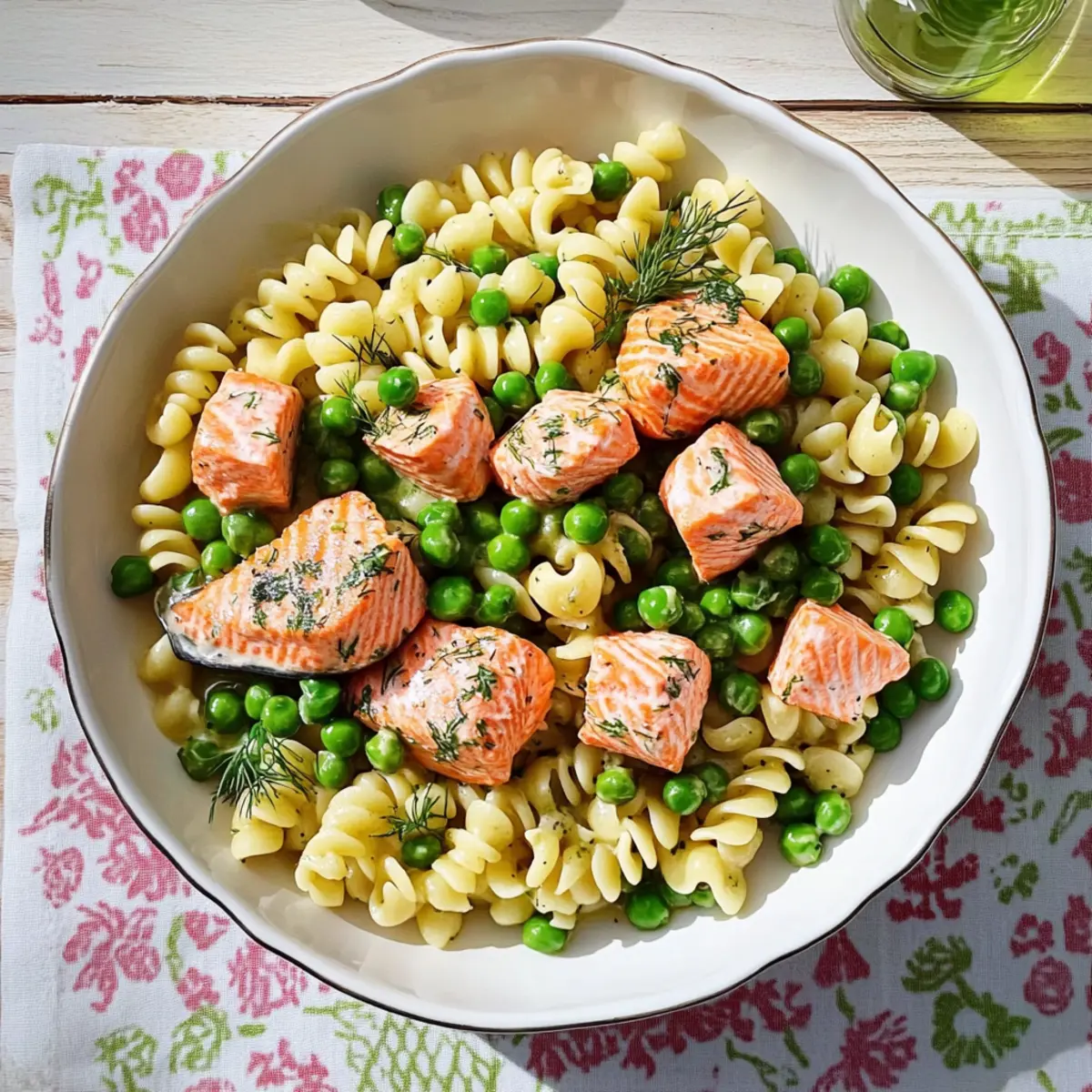
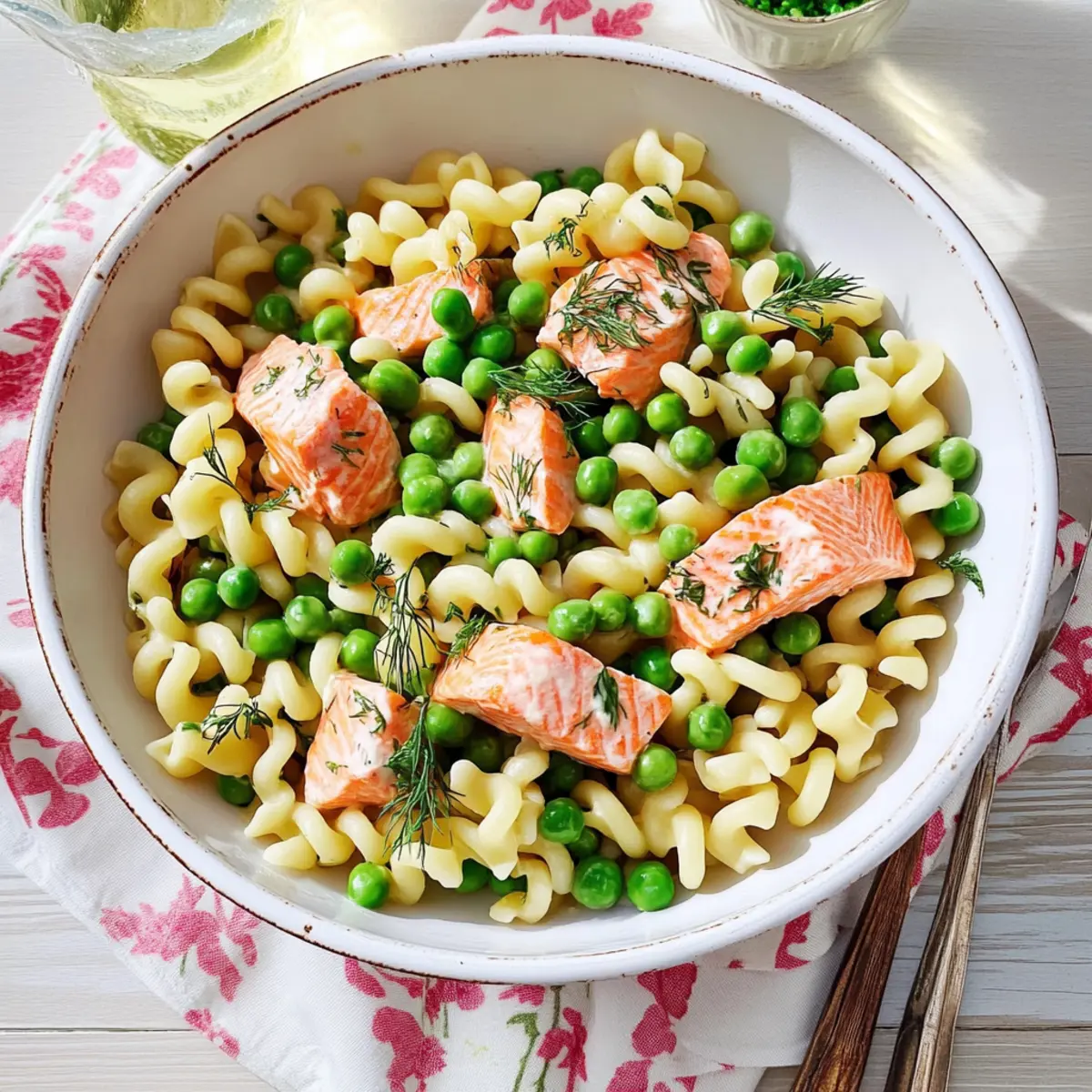
Pasta Variations: Although cavatappi is delightful, feel free to swap in penne or fusilli, making this dish uniquely your own while ensuring the sauce clings beautifully to the pasta.
And while you’re here, don’t forget to check out the cozy comfort of Tomato Pasta Comforting for more inspiration, or try the baked delight of Pasta Bake Pumpkin for a change of pace!
What to Serve with Fresh Spring Pasta with Salmon, Peas, and Dill
Elevate your dining experience with delightful sides and drinks that perfectly accompany this vibrant, spring-inspired dish.
-
Garlic Bread: Offers a crunchy contrast and buttery flavor that complements the creamy pasta beautifully. Perfect for mopping up any remaining sauce!
-
Mixed Green Salad: A light salad with a zesty vinaigrette adds a fresh, crisp texture. The acidity cuts through the richness of the pasta, balancing each bite.
-
Roasted Asparagus: Tender spears roasted to perfection bring earthiness and added color to your plate. Their slight crunch adds a wonderful texture.
-
Lemon Sorbet: A light, refreshing dessert that cleanses the palate after the delicious pasta. Serve it chilled for a burst of citrusy brightness.
-
Chilled White Wine: A glass of dry white wine enhances the meal’s flavors, echoing the notes in the sauce. Look for a zesty Sauvignon Blanc or a crisp Pinot Grigio.
-
Pesto Bruschetta: Crispy bread topped with fresh basil pesto adds an aromatic herbal note, elevating your dining experience while celebrating spring's bounty.
-
Zucchini Noodles: For those seeking lighter fare, serve spiralized zucchini as a side. They’re a fantastic low-carb alternative and pair perfectly with the flavors of the pasta.
-
Sparkling Water with Lemon: A bubbly, citrus-infused drink offers a refreshing lift. It serves as a great accompaniment to the creamy richness of the dish, keeping things light.
With these delightful pairings, your Fresh Spring Pasta with Salmon, Peas, and Dill will shine even brighter at the dinner table!
Expert Tips for Spring Pasta
- Salmon Safety: Ensure the salmon is cooked to an internal temperature of 145°F to maintain both safety and flavor integrity.
- Pasta Water Magic: Reserve pasta water before draining; it can help adjust the sauce consistency and enhance the flavor of your Spring Pasta with Salmon, Peas, and Dill.
- Fresh Dill Finale: Add fresh dill just before serving to keep its vibrant flavor intact; cooking it too long can dull its bright profile.
- Vegetable Variations: Feel free to include seasonal vegetables like zucchini or asparagus for added texture and nutrients. Aim for colorful, fresh additions!
- Wine Alternatives: If you prefer a non-alcoholic option, substitute dry white wine with vegetable broth for a similarly tasty depth in the sauce.
Spring Pasta with Salmon, Peas, and Dill Recipe FAQs
How do I choose the right salmon for this recipe?
Absolutely! When selecting salmon, look for fillets that are vibrant in color and have a moist, translucent appearance. Avoid any that have dark spots or a fishy odor. Opt for wild-caught salmon if possible; it tends to have a richer flavor and better texture.
How should I store leftovers of the Spring Pasta?
For sure! Store any leftover Spring Pasta with Salmon, Peas, and Dill in an airtight container in the refrigerator for up to 2 days. To reheat, gently warm it on the stove over low heat to avoid overcooking the salmon. Adding a splash of water or broth can help revive the sauce consistency.
Can I freeze the Spring Pasta for future meals?
Yes, indeed! To freeze the pasta, let it cool completely before transferring it to an airtight container. Label and date it before storing, and it can last up to 1 month. When you’re ready to enjoy it again, thaw it overnight in the fridge, then heat gently on the stove, adding a bit of pasta water or broth if needed to loosen the sauce.
What should I do if my sauce is too thick?
That's an easy fix! If you find your sauce is too thick, simply add some of the reserved pasta water a tablespoon at a time while tossing the pasta. This not only adjusts the consistency but also enhances the flavor. Don't worry; it's all about finding that perfect creamy balance!
Are there any dietary considerations for this recipe?
Very! This dish can be adapted for various dietary needs. For gluten-free options, swap the pasta for a gluten-free version that you enjoy. If you're avoiding dairy, you can use olive oil instead of butter for the sauce. Additionally, if anyone has seafood allergies, feel free to substitute the salmon with grilled chicken or even chickpeas for a hearty plant-based option.
How do I tell if the salmon is cooked through?
Great question! The salmon is done when it flakes easily with a fork and reaches an internal temperature of 145°F (63°C). If you don’t have a thermometer, look for a vibrant pink color that turns a light opaque hue and just slightly flakes apart. Trust me, you want to catch it at that sweet spot for the best texture!
Delicious Spring Pasta with Salmon, Peas, and Dill Recipe
Ingredients
Equipment
Method
- Preheat your oven to 400°F (200°C). Line a baking sheet with parchment paper. Season the salmon with kosher salt and black pepper, placing it skin-side down on the sheet. Roast for 12–15 minutes until it flakes easily.
- In a skillet over medium heat, melt 2 tablespoons of unsalted butter. Sauté the chopped yellow onion for 3–5 minutes until translucent. Stir in English peas and cook for another 2–3 minutes.
- Pour in ½ cup dry white wine and add crushed coriander. Let simmer for 5 minutes to reduce slightly. Whisk in another 2 tablespoons of unsalted butter until melted, creating the sauce.
- Boil salted water in a large pot and cook 8 ounces of cavatappi pasta for about 7–10 minutes until al dente. Reserve ½ cup of pasta water, then drain.
- Add the drained pasta to the skillet with the sauce, tossing to combine. If thick, stir in reserved pasta water. Flake the roasted salmon into the mixture, folding gently.
- Sprinkle torn fresh dill over the pasta, adjust seasoning with salt and pepper, and serve immediately.
Leave a Reply